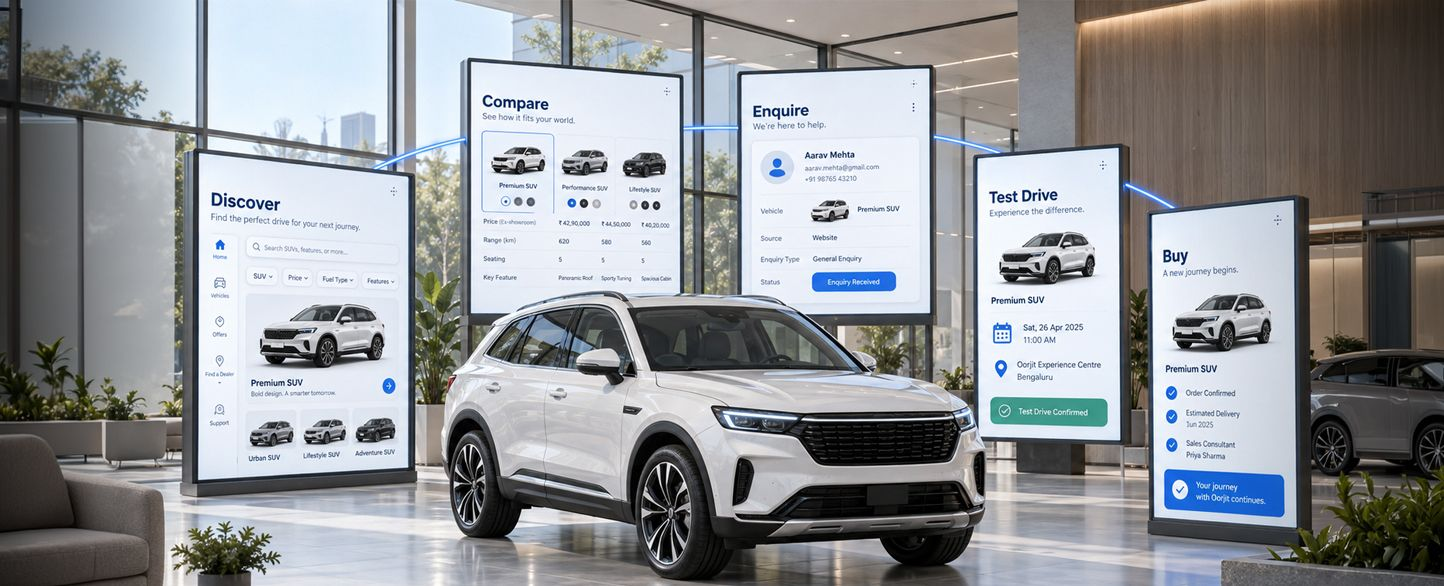
The automotive industry has undergone a major digital shift. Today’s buyers no longer rely solely on dealership visits. Instead, they explore, compare, and even initiate purchases online. This transformation has made the car-buying customer journey more complex, multi-touch, and data-driven.
However, with this shift comes a major challenge: customer drop-off.
From browsing vehicles to final checkout, users abandon the journey at multiple stages. These drop-offs directly impact conversions, revenue, and customer acquisition costs. For businesses operating on an automotive eCommerce platform, this is a critical problem that demands a strategic solution.
This is where real-time customer analytics plays a game-changing role.
By tracking user behavior instantly and enabling immediate action, businesses can identify friction points, optimize experiences, and significantly improve conversions. In this article, we explore how real-time analytics transforms the automotive conversion funnel and helps reduce customer drop-off at every stage.
What Is Real-Time Analytics in Automotive eCommerce?
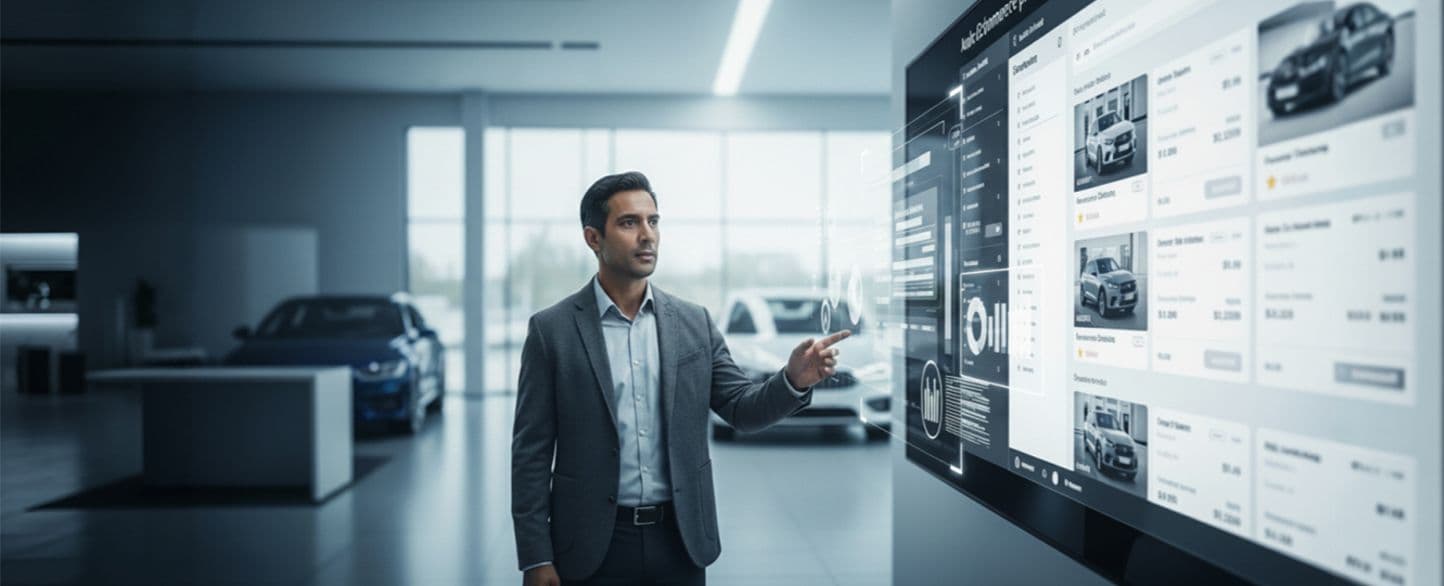
Real-time analytics in automotive eCommerce refers to the process of collecting, analyzing, and acting on customer data instantly as users interact with a digital platform. Instead of relying on delayed reports, businesses gain immediate insights into user behavior across the car-buying customer journey, enabling faster and more accurate decision-making.
In the context of an automotive eCommerce platform, real-time analytics tracks every interaction. This includes vehicle searches, comparison behavior, time spent on pages, drop-off points, and checkout activity. These insights help businesses understand not just what customers are doing, but why they are doing it at that exact moment.
What is the role of data analytics in car sales?
In automotive retail, data analytics helps businesses understand buyer preferences, predict demand, personalize experiences, and optimize sales strategies. It plays a crucial role in improving both the automotive digital customer experience and overall sales performance.
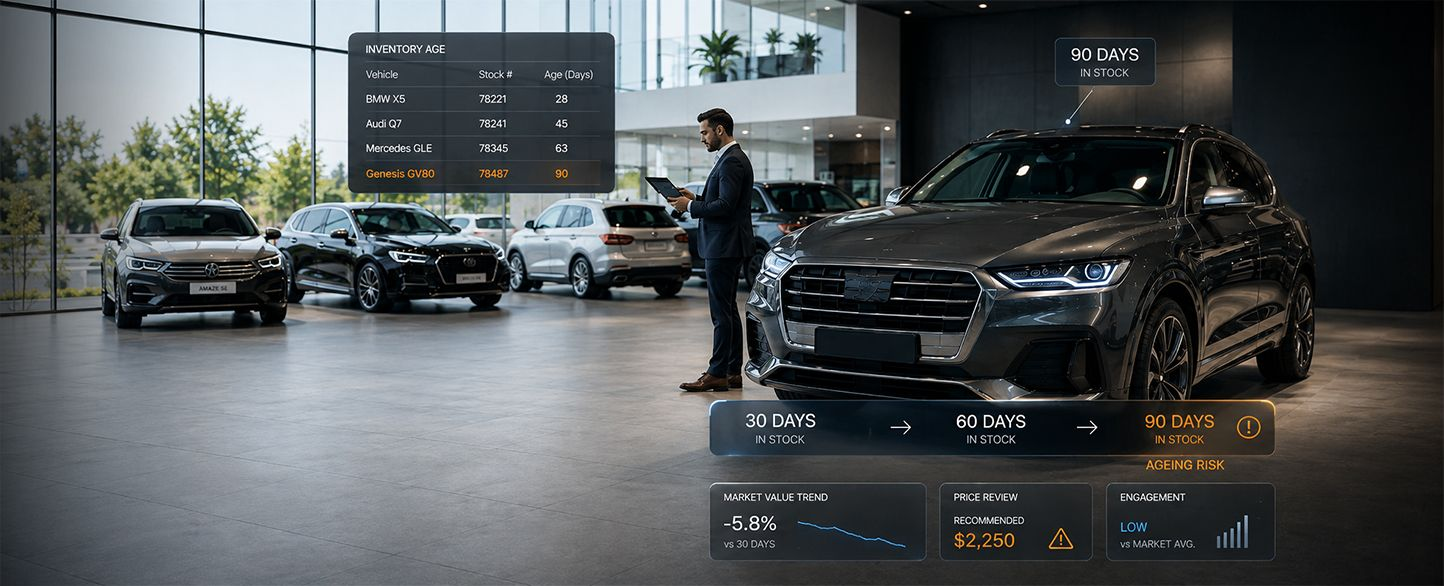
At its core, real-time analytics transforms static insights into dynamic actions. Instead of analyzing past behavior, businesses can act in the moment. For example, if a user spends time comparing two vehicles, the platform can instantly suggest similar models or offer financing options.
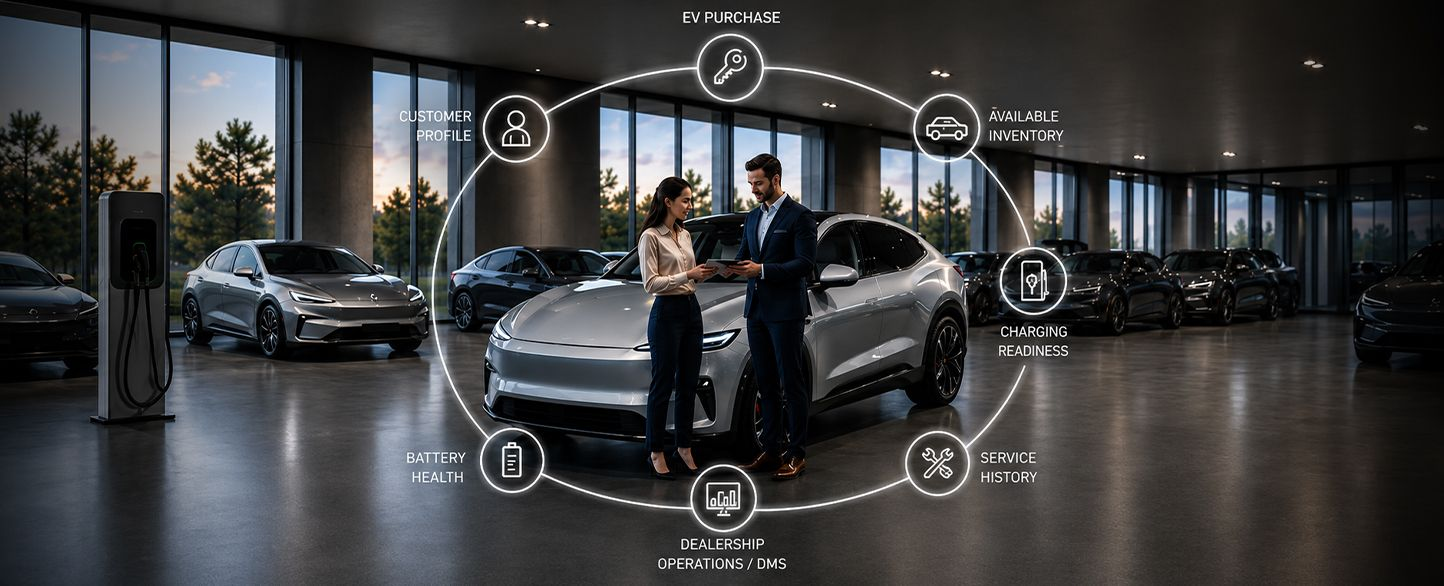
When integrated into a unified commerce automotive platform, real-time analytics connects data across touchpoints such as website interactions, mobile apps, CRM systems, and inventory. This unified view allows businesses to create seamless and personalized experiences across the entire journey.
Why Do Customers Drop Off in the Car Buying Funnel?
Customers drop off due to friction in the buying process, lack of trust, complex navigation, and poor user experience. These issues disrupt the journey and reduce the likelihood of conversion.
Why do users abandon car purchases online?
Users often abandon purchases due to unclear pricing, lengthy processes, limited information, or a lack of confidence in the platform.
What causes cart abandonment in automotive eCommerce?
Hidden costs, complicated checkout flows, or the absence of flexible payment options typically cause cart abandonment.
What are common friction points in the car-buying journey?
Common friction points include slow-loading pages, confusing navigation, insufficient vehicle details, and a lack of personalization.
The car-buying customer journey is not linear. Users move between research, comparison, and decision stages multiple times. Each transition presents an opportunity for drop-off.
Some of the most common reasons include:
- Too many steps in the process
- Lack of transparency in pricing or financing
- Poor mobile optimization
- Limited personalization
- Delayed responses or lack of assistance
Without addressing these issues, even the most advanced automotive eCommerce platform will struggle to convert users effectively.
How to Identify Drop-Off Points in the Customer Journey?
Drop-off points can be identified by analyzing user behavior, tracking funnel progression, and identifying where users exit before completing a desired action.
How to track customer behavior in real time?
Customer behavior can be tracked using tools such as event tracking, session recordings, and real-time dashboards that capture user interactions in real time.
What data should be tracked to reduce funnel drop-offs?
Businesses should track metrics such as page engagement, click paths, session duration, exit rates, and checkout completion rates.
Understanding where and why users drop off is the first step toward solving the problem. Businesses need to map the entire automotive conversion funnel and analyze each stage.
Key metrics to monitor include:
- Bounce rate
- Exit rate
- Conversion rate
- Time spent on pages
Advanced tools such as heatmaps and session recordings provide deeper insights into user behavior. These tools reveal how users interact with the platform, where they hesitate, and what causes them to leave.
When combined with real-time customer analytics, businesses can move beyond observation and take immediate action.
How Does Real-Time Analytics Improve Conversion Rates?
Real-time analytics improves conversion rates by enabling instant responses to user behavior, reducing friction, and guiding users toward completing their journey.
How does data help reduce funnel drop-offs?
Data helps identify patterns, predict behavior, and optimize experiences, allowing businesses to address issues before users abandon the process.
How does real-time tracking improve customer experience?
Real-time tracking enhances customer experience by delivering personalized, relevant, and timely interactions that align with user intent. The power of real-time analytics lies in its immediacy. Instead of reacting after users leave, businesses can intervene while they are still engaged. For example:
- Triggering personalized offers when users hesitate
- Displaying relevant vehicle recommendations
- Providing instant support through chat
These interventions create a smoother and more engaging automotive digital customer experience. When integrated into a unified commerce automotive platform, real-time analytics ensures that every interaction is connected, consistent, and optimized for conversion.
How to Optimize the Car Buying Funnel?
Car-buying funnel optimization involves simplifying the journey, improving user experience, and using data insights to enhance each stage of the process.
What is conversion funnel optimization in automotive?
It is the process of analyzing and improving each step of the automotive buying journey to increase conversions and reduce drop-offs.
How to improve conversion rates in automotive eCommerce?
Businesses can improve conversion rates by reducing friction, personalizing experiences, and leveraging real-time insights.
How to Reduce Drop-Off in Online Car Buying?
Reducing drop-off in online car buying is not just about simplifying steps. It is about creating a connected, intelligent journey where every interaction is seamless, guided, and data-driven.
From an Oorjit perspective, this is achieved through a unified commerce automotive platform that removes silos between browsing, comparison, and purchase stages. Instead of fragmented experiences, users move through a consistent journey powered by real-time customer analytics.
This means:
- No disconnected touchpoints
- No repetitive steps
- No confusion in the buying flow
Every action is optimized to keep the user engaged throughout the car-buying customer journey.
How Does Personalization Reduce Customer Drop-Off?
Personalization reduces drop-off by delivering relevant content and offers that match user preferences and intent.
How to improve user experience in automotive websites?
Focus on simplicity, speed, intuitive navigation, and clear information.
What role does UX play in conversion optimization?
UX ensures a smooth and enjoyable journey, making it easier for users to complete actions.
How to create a seamless digital car buying experience?
Integrate all touchpoints, ensure consistency, and personalize interactions across the journey. UX and personalization are no longer optional. They are essential for success.
A well-designed interface combined with data-driven personalization ensures that users feel understood and supported throughout their journey.
For example:
- Recommending vehicles based on browsing history
- Showing location-specific offers
- Personalizing financing options
These strategies significantly improve engagement and conversions.
What Tools Are Used for Real-Time Customer Analytics?
Tools include behavior tracking platforms, heatmaps, session recordings, and AI-driven analytics systems.
What analytics tools do car dealerships use?
Dealerships use CRM-integrated analytics tools, customer data platforms, and performance dashboards.
What is predictive analytics in automotive sales?
Predictive analytics uses historical and real-time data to forecast customer behavior and sales trends. Modern automotive eCommerce platforms rely on a combination of tools:
- Customer Data Platforms (CDPs)
- AI-driven analytics engines
- Real-time dashboards
These tools integrate with:
- CRM systems
- Inventory management
- Marketing platforms
When unified, they create a powerful unified commerce automotive platform that drives smarter decisions and better outcomes.
How Can Automotive Businesses Improve Online Conversions?
By leveraging real-time insights, optimizing user journeys, and delivering personalized experiences.
How to use customer journey analytics to improve sales?
Analyze user behavior to identify opportunities for improvement and optimize each stage of the journey.
How to use data analytics to improve car sales performance?
Use data to refine targeting, improve engagement, and enhance decision-making.
How can automotive platforms improve digital conversion rates?
By integrating analytics, personalization, and seamless UX across all touchpoints.
How to increase ROI in automotive eCommerce?
Focus on data-driven strategies, reduce inefficiencies, and improve conversion rates.
Data analytics enables businesses to:
- Identify high-intent users
- Optimize marketing campaigns
- Improve lead quality
This results in higher ROI and better alignment between sales and marketing teams.
Key Takeaways
- Customer drop-off is often caused by friction, not lack of intent
- Real-time customer analytics helps identify and fix issues instantly
- Simplifying checkout is one of the fastest ways to improve conversions
- Data-driven personalization keeps users engaged throughout the journey
- End-to-end optimization is essential for successful car buying funnel optimization
- A unified commerce automotive platform ensures a seamless, connected buying experience
- Continuous monitoring and real-time interventions significantly improve conversion outcomes
Conclusion
The digital shift in automotive retail has made the car-buying customer journey more complex than ever. Customers expect speed, transparency, and personalization at every step. When these expectations are not met, drop-offs become inevitable.
By leveraging real-time customer analytics, businesses can identify friction instantly and take action before losing potential buyers. Combined with a unified commerce automotive platform, this approach transforms disconnected experiences into seamless, conversion-driven journeys.
FAQs
Q: How does real-time analytics help reduce customer drop-off in e-commerce?
A: Real-time analytics identifies user behavior instantly, allowing businesses to fix friction points, personalize experiences, and guide users toward conversion before they drop off.
Q: What are the best ways to optimize a car buying funnel?
A: Focus on reducing friction, improving UX, enabling real-time personalization, and using data insights to continuously refine each stage of the funnel.
Q: How can automotive businesses improve online conversions?
A: By leveraging real-time data, optimizing website performance, simplifying the purchase journey, and delivering personalized experiences.
Q: What data should be tracked to reduce funnel drop-offs?
A: Track user behavior, session activity, page engagement, checkout steps, abandonment points, and conversion triggers.
Q: How to identify and fix conversion bottlenecks in e-commerce?
A: Use analytics tools to detect drop-off points, analyze user behavior, and implement UX improvements or targeted interventions.
Q: How does personalization reduce customer drop-off?
A: Personalization delivers relevant content, offers, and recommendations, keeping users engaged and increasing the likelihood of conversion.
Q: What tools are used for real-time customer analytics?
A: Tools include behavior tracking platforms, heatmaps, session recording tools, and AI-driven analytics systems.
Q: How to improve conversion rates in automotive e-commerce?
A: Optimize the funnel, reduce checkout friction, improve site speed, and use real-time insights to guide user decisions.