For decades, dealerships competed on price, inventory, and location. A buyer chose whoever had the right car at the right cost within driving distance. That equation has changed. Today's car buyers research online for weeks, compare dealerships before they ever walk through a door, and expect the same level of convenience they get from any other digital purchase. When two dealerships offer similar vehicles at similar prices, the one that wins is the one that makes the buying process easier, faster, and more transparent.
This is why automotive customer experience has moved from a nice-to-have to the primary competitive battleground in the industry. Dealerships are no longer just selling cars. They are selling a customer journey, and the ones investing in digital retail, omnichannel experience, and dealership engagement are the ones pulling ahead. The rest are left explaining why a buyer chose a competitor with a similar lot and a similar sticker price.
Platforms built for modern dealership operations, like Oorjit, exist precisely because this shift is no longer optional. Real-time inventory sync, integrated CRM, and connected OEM data are what allow a dealership to actually deliver on rising customer expectations, rather than just talk about them.
Why Is Customer Experience Important in Automotive Retail?
Customer experience matters in automotive retail because a car is one of the largest purchases a person makes, and the process surrounding that purchase shapes trust as much as the product itself. A buyer who feels informed, respected, and unrushed is more likely to complete the sale, return for service, and recommend the dealership to others. A buyer who feels confused, pressured, or ignored will walk, regardless of how competitive the pricing is.
This is especially true in automotive retail because the stakes are higher than in most other purchases. Buyers are financing a vehicle over years, trusting a dealership with maintenance and service long after the sale, and making a decision that affects their daily life. Every point of friction in that journey chips away at confidence. Every point of ease builds it.
Customer satisfaction in this context is not a soft metric. It directly correlates with repeat business, referral rates, and long-term revenue per customer. Dealerships that treat experience as central to their operations, rather than a byproduct of good service, consistently outperform those that treat it as an afterthought.
What Do Today's Car Buyers Actually Expect?
Car buyers today expect the same speed, transparency, and personalization they get from any other major digital purchase. They expect to see real-time inventory, not outdated listings. They expect pricing to be clear before they arrive, not negotiated as a surprise. They expect a dealership to remember their preferences if they have already interacted online, rather than starting the conversation from zero.
This shift is generational but not limited to younger buyers. Across age groups, the expectation has normalized: research happens online, shortlisting happens online, and by the time a buyer visits a showroom, they already know what they want. What they are evaluating at that point is whether the dealership can match the convenience of the digital research they just did.
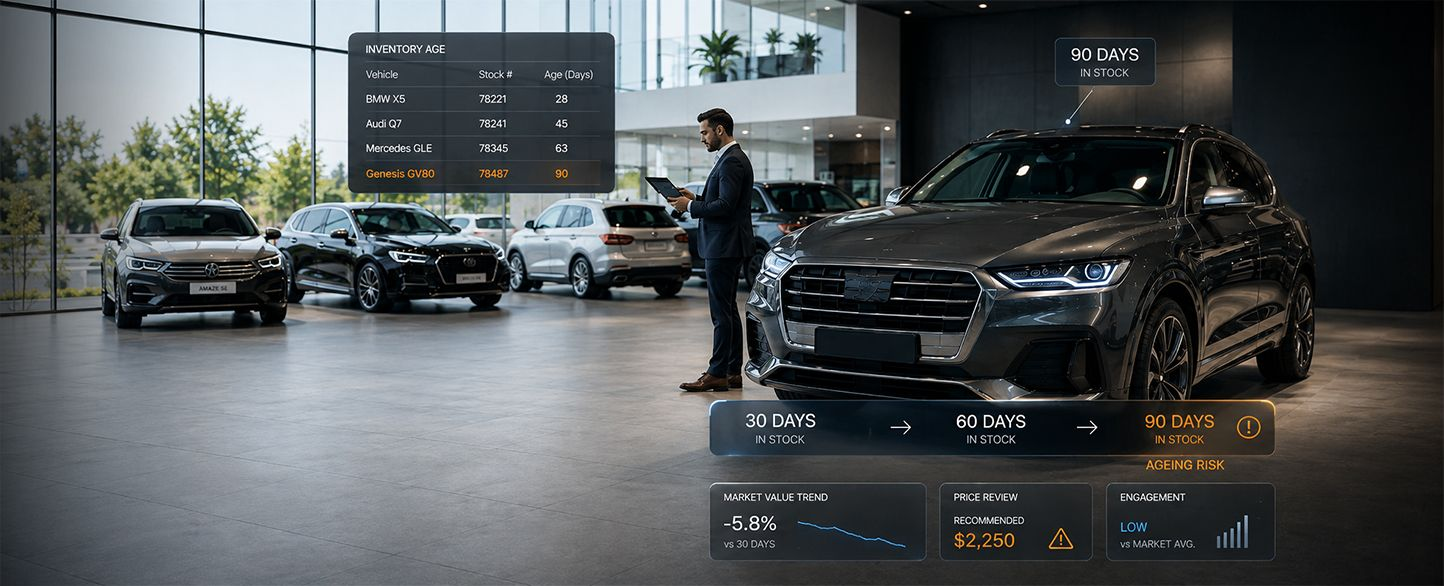
This is where automotive customer touchpoints matter most. A buyer who submitted an inquiry online expects the sales team to already have that context. A buyer who saw a vehicle listed as available expects it to actually be available. When inventory data is not synced in real time, these expectations break down immediately, and the trust built during the research phase evaporates in the first five minutes of an in-person visit.
How Does Digital Retail Improve Customer Satisfaction?
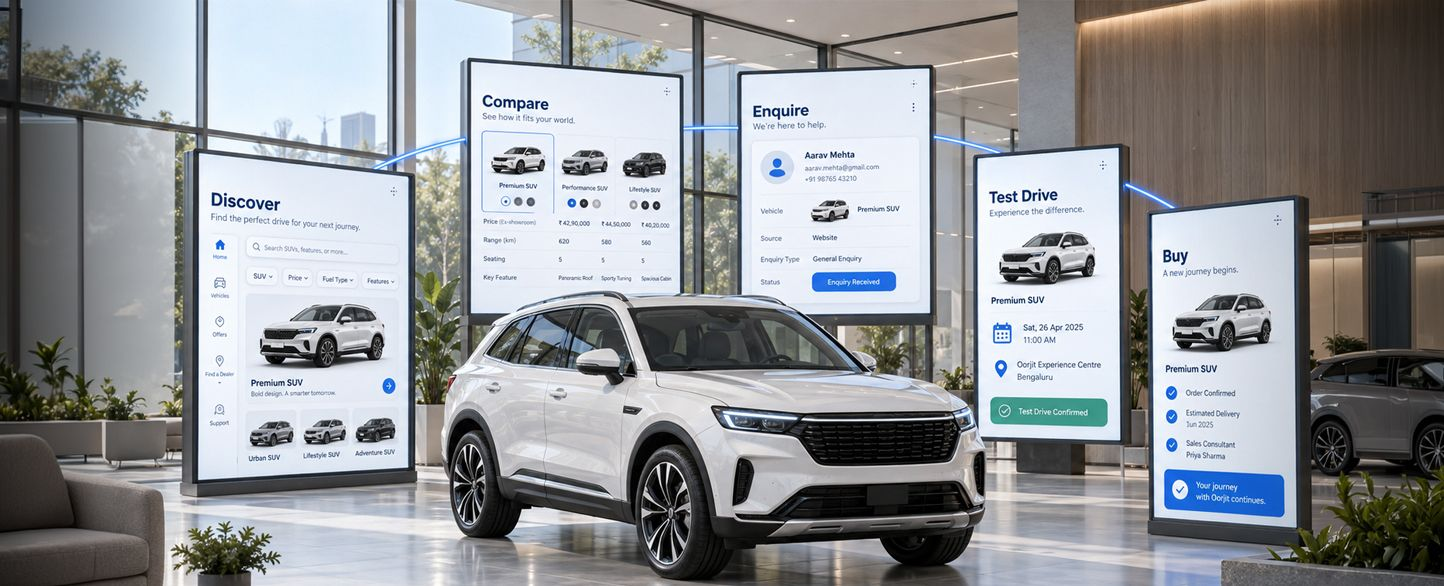
Digital retail improves customer satisfaction by removing the friction points that used to be accepted as normal parts of car buying. Online configurators let buyers explore trims and options without a salesperson standing over their shoulder. Digital paperwork cuts down the hours once spent on financing forms. Transparent, real-time inventory means a buyer never drives to a lot only to find the car they wanted was sold last week.
This is where omnichannel experience becomes the operational core of modern automotive retail. A buyer might start on a dealership's website, move to a phone call, then finish in person, and at every stage they expect continuity. Omnichannel done well means the salesperson greeting them in the showroom already knows what they were looking at online. Omnichannel done poorly means the buyer repeats their preferences three times to three different people.
This is precisely the gap that platforms like Oorjit are built to close. Real-time inventory sync ensures that what a buyer sees online matches what is physically on the lot. Integrated CRM ensures that every interaction, whether digital or in person, feeds into a single customer record. OEM integrations ensure that manufacturer data, incentives, and specifications stay accurate across every channel. None of this is about adding technology for its own sake. It is about making sure the buyer's digital research and in-person experience feel like one continuous conversation rather than two disconnected processes.
What Creates a Seamless, Omnichannel Buying Experience?
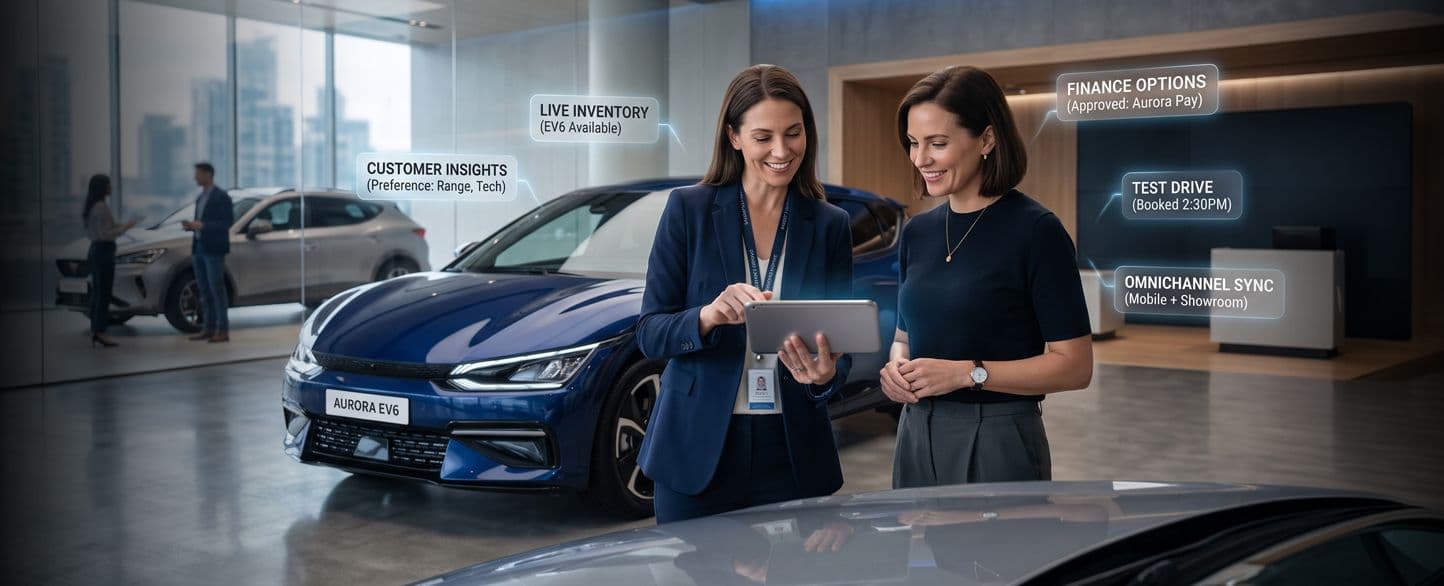
A seamless buying experience comes down to one thing: the buyer should never have to repeat themselves. If they have browsed inventory online, filled out a form, or spoken with a representative, that information should carry forward automatically. Consistency across channels, not the number of channels, is what defines a good omnichannel experience.
Consider a practical example. A buyer researches a specific model online, submits an inquiry about financing options, and then visits the showroom two days later. In a seamless experience, the sales team already has their preferences, their financing inquiry, and a matched vehicle waiting. In a disconnected experience, the buyer walks in, and the salesperson starts from scratch, asking questions the buyer already answered online.
This kind of continuity depends entirely on the systems behind the scenes. Customer journey mapping only works if the data behind each stage of that journey is actually connected. A CRM that captures online activity, a real-time inventory system that reflects the actual lot, and a sales process that pulls from both are what turn a fragmented set of touchpoints into a single, coherent experience.
How Do Dealerships Build Long-Term Customer Loyalty?
Customer loyalty in automotive retail is built after the sale, not during it. The buying process determines whether a customer trusts a dealership enough to return. What happens afterward- service reminders, proactive communication, and consistent follow-up- determines whether that trust turns into repeat business.
Dealerships that build loyalty successfully treat the sales pipeline as ongoing rather than finished at delivery. A CRM system that tracks service history, sends timely reminders, and flags upcoming needs keeps the relationship active long after the initial purchase. This is where automotive sales pipeline efficiency directly supports retention, not just acquisition.
Loyalty is rarely won through a single memorable moment. It is won through consistency: the same ease of communication, the same responsiveness, and the same transparency that won the sale in the first place, sustained over years of ownership. Platforms that connect sales and service data give dealerships the ability to maintain that consistency without relying on manual tracking or institutional memory that walks out the door when a salesperson leaves.
How Can Dealerships Improve Customer Experience With Technology?
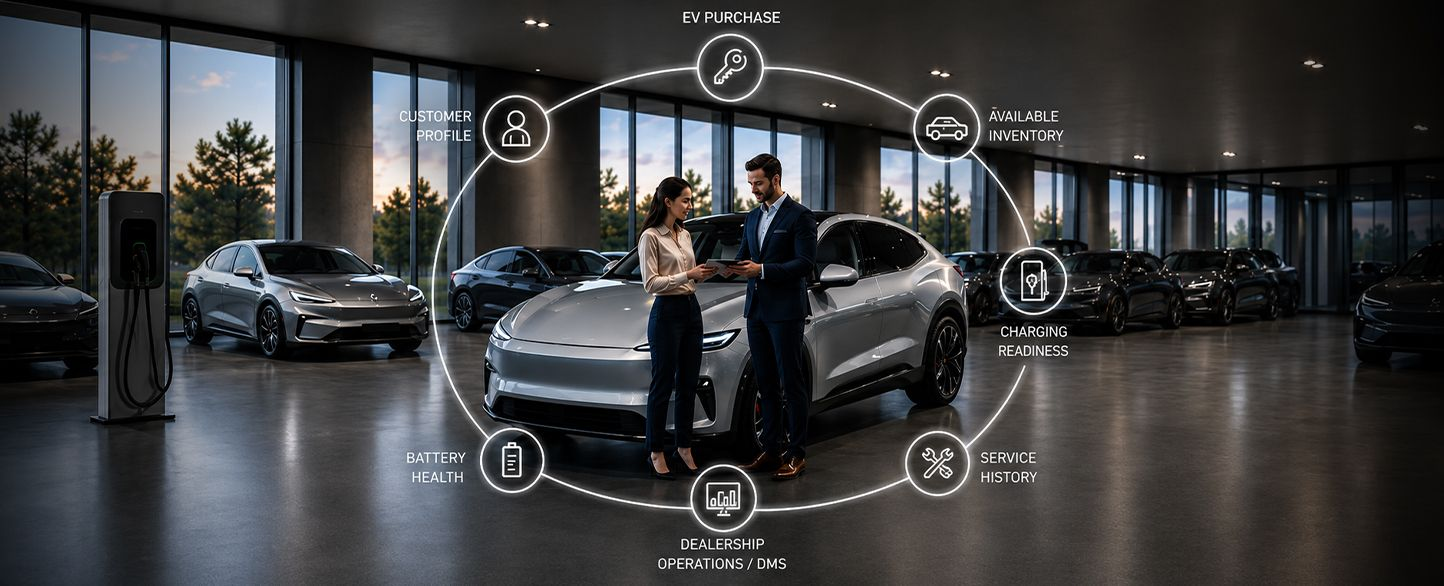
Dealerships improve customer experience by closing the gap between what buyers see online and what they encounter in person. This starts with real-time inventory sync, so listings reflect what is actually available. It continues with integrated CRM, so every interaction, whether a website visit, a phone call, or a showroom conversation, feeds a single customer profile instead of scattered, disconnected records.
OEM integrations keep manufacturer data accurate across every channel, which matters when buyers are comparing specifications and incentives before they ever speak to a salesperson. Cloud scalability ensures this all works whether a dealership group operates one location or fifty, without the system breaking down as it grows.
None of this replaces the sales team. It removes the friction that used to make their job harder: outdated inventory sheets, disconnected customer histories, and manual data entry that slows everyone down. Technology, used well, gives sales teams the context to do what they do best: building relationships, without the operational drag that used to get in the way.
Conclusion
Price and inventory used to be enough to win a car buyer. That is no longer the case. Today, the dealerships pulling ahead are the ones that treat automotive customer experience as the core of their business, not an afterthought bolted onto the sales process. Buyers expect continuity between their online research and their in-person visit, transparency in pricing and inventory, and a relationship that continues well past the sale.
This shift rewards dealerships willing to invest in the infrastructure that makes a seamless experience possible: real-time inventory sync, integrated CRM, and connected OEM data. These are not features for their own sake. They are what allow a dealership to actually deliver on the expectations buyers already carry with them.
If your dealership is ready to close the gap between what buyers expect and what your current systems can deliver, Oorjit's platform is built for exactly this. Explore how real-time inventory sync, integrated CRM, and seamless OEM connectivity can transform your customer experience from a point of friction into your strongest competitive advantage. Reach out to Oorjit today to see how it works for your dealership.
FAQs
Q: Why has customer experience become more important than price in automotive retail?
A: Buyers now research extensively online before visiting a dealership, so by the time they arrive, price is often already comparable across options. What differentiates dealerships at that point is how easy, transparent, and consistent the buying process feels, making experience the deciding factor rather than price alone.
Q: What happens if a dealership's online inventory does not match what is actually on the lot?
A: Buyers lose trust almost immediately. If a vehicle shown as available online is missing or already sold when they arrive, it undoes the confidence built during their research phase and often sends them straight to a competitor with accurate, real-time listings.
Q: How can a dealership avoid making customers repeat their preferences at every stage?
A: This requires connecting online activity, inquiries, and in-person conversations into a single customer record through an integrated CRM. When every touchpoint feeds the same system, sales teams can pick up exactly where the buyer's research left off.
Q: Does building customer loyalty require a big moment or gesture during the sale?
A: No. Loyalty is built through consistency after the sale, including timely service reminders, proactive communication, and the same transparency that won the buyer over initially. It is sustained attention over time, not a single memorable interaction.
Q: Can smaller dealerships compete on customer experience without large teams?
A: Yes. Much of what improves customer experience, like real-time inventory sync and integrated CRM, is about systems rather than headcount. Cloud-based platforms let smaller dealerships deliver the same continuity and responsiveness as larger groups without needing to scale staff at the same rate.