Automotive dealerships today operate in an increasingly complex environment. Multiple sales channels, expanding vehicle portfolios, tighter OEM coordination, and higher customer expectations have made day-to-day operations far more demanding than they were even a decade ago. Relying on spreadsheets, manual processes, or disconnected tools may work at a small scale, but these approaches quickly break down as volume, locations, and data flows increase.
This is where Dealer Management Software becomes essential. A modern Dealer Management System acts as the operational backbone of a dealership, bringing sales, inventory, service, and order workflows into a single, structured platform. Instead of fragmented data and delayed visibility, dealership leaders gain a unified view of performance and operations.
For dealerships aiming to scale, improve control, and deliver consistent customer experiences, adopting automotive dealer software is no longer a technology upgrade. It is a strategic necessity.
What Is a Dealer Management System?
A Dealer Management System, often referred to as DMS or dealer management system software, is a centralized digital platform designed to manage and coordinate the core operations of an automotive dealership.
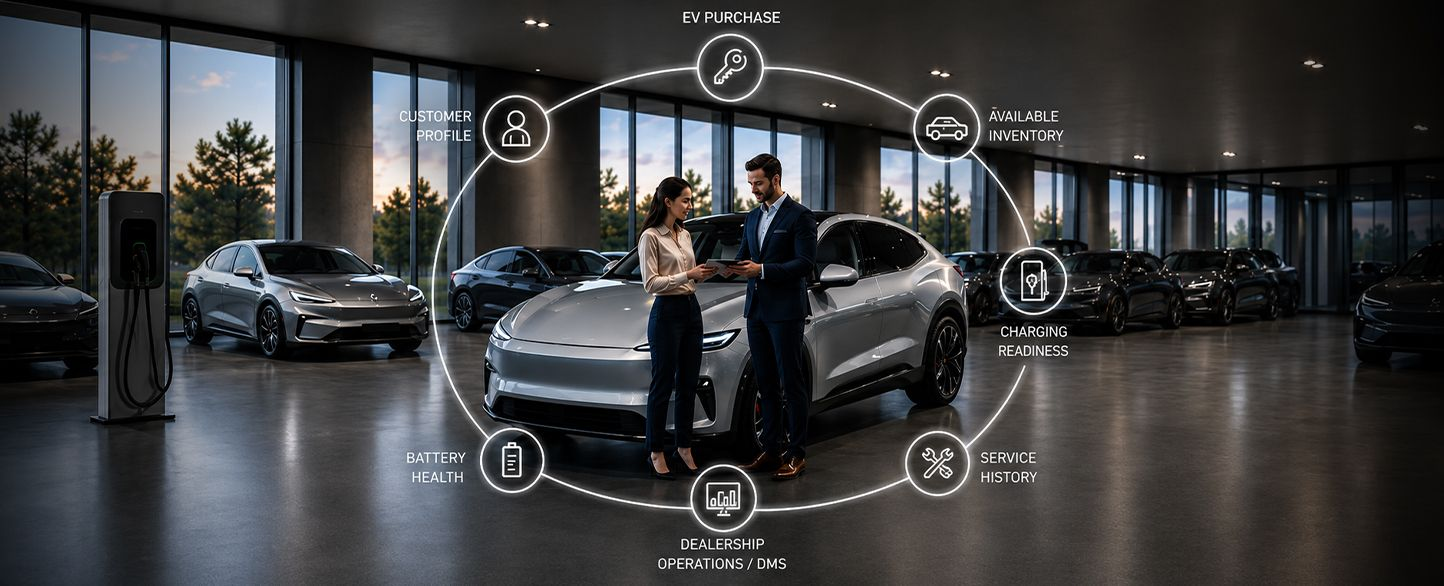
At its core, a Dealer Management System connects sales processes, vehicle inventory, order management, service operations, and reporting into a single system of record. Rather than each department operating in isolation, dealer management system software ensures that data flows seamlessly across teams and functions.
Unlike generic business tools, automotive dealer software is purpose-built for dealership operations. It reflects real-world dealership workflows such as lead handling, vehicle allocation, service scheduling, and OEM reporting requirements. This specialization allows dealerships to operate with greater accuracy, transparency, and efficiency.
Core Functions of Dealer Management Software
Dealer management software supports daily dealership operations by integrating critical functions into one platform. Each module plays a role in ensuring smoother workflows, better visibility, and stronger coordination across teams.
Lead Management and Sales Tracking
Effective lead management for auto dealers is a core capability of any modern Dealer Management System.
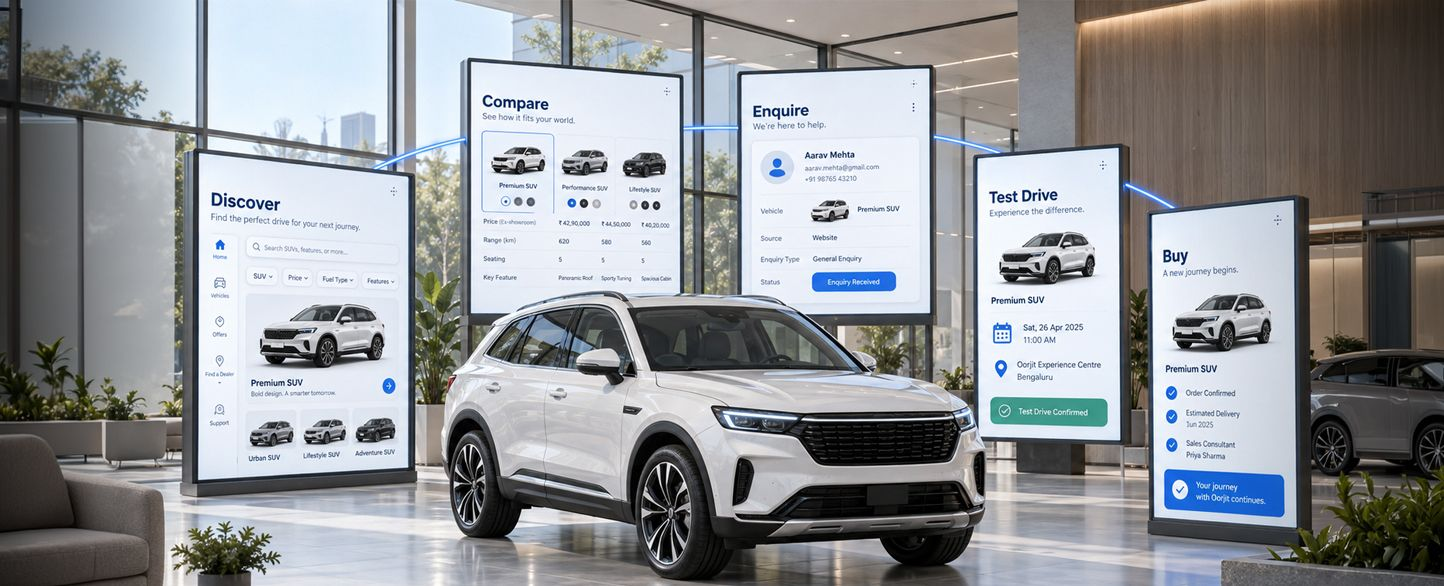
Dealer management software captures leads from multiple channels, including walk-ins, digital enquiries, marketing campaigns, and partner referrals. Each lead is tracked through defined sales stages, from first contact to booking and delivery. Sales teams can monitor follow-ups, response times, and deal status in real time.
This structured approach improves accountability and ensures that no enquiry is lost or delayed. Sales managers gain visibility into pipeline health, while leadership teams can assess conversion performance with greater accuracy.
Inventory Management for Car Dealerships
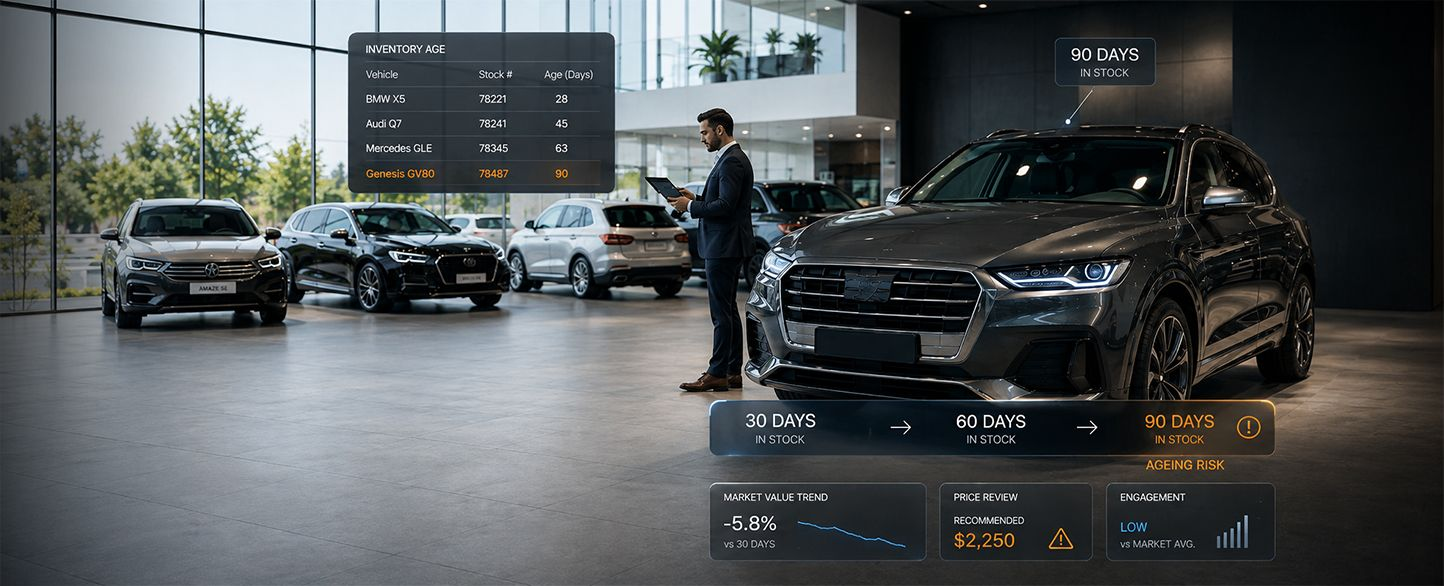
Inventory management for car dealerships requires real-time accuracy. Dealer management software provides a centralized view of vehicle stock across locations, variants, and statuses.
Dealerships can track available units, reserved vehicles, test-drive cars, and delivered stock without relying on manual updates. This reduces the risk of overstocking slow-moving models or missing sales opportunities due to inaccurate availability information.
With vehicle inventory tracking built into the system, sales and operations teams stay aligned, improving both planning and customer communication.
Vehicle Order and Allocation Management
A vehicle order management system is critical for aligning dealership demand with OEM supply.
Dealer management software enables dealerships to manage OEM orders, allocations, and deliveries in a structured manner. Order status can be tracked from booking through allocation, dispatch, and final delivery. This visibility helps teams manage customer expectations and reduce delays or miscommunication.
By integrating order management with sales and inventory data, dealerships can make informed decisions about allocations and future demand planning.
Service and After-Sales Operations
Dealer management system software also plays a vital role in service and after-sales operations.
Service modules support appointment scheduling, job card creation, technician allocation, and service status tracking. Warranty handling and after-sales coordination become more efficient when service data is connected to customer and vehicle records.
This level of integration helps dealerships improve turnaround times, maintain service quality, and strengthen long-term customer relationships.
Reporting and Performance Visibility
One of the most valuable aspects of dealer management software is its reporting and analytics capability.
Dealership leaders can access sales, inventory, service, and order performance through role-based dashboards. Instead of waiting for manual reports, management teams gain near real-time insights into operational health.
Dealership performance analytics support data-driven decision-making, enabling leaders to identify bottlenecks, optimize processes, and track progress against business goals.
Business Benefits of Using Dealer Management System Software
When core functions are integrated into a single platform, dealer management system software delivers measurable business value across the organization.
Improved Operational Efficiency
Centralized dealership operations reduce duplication, manual data entry, and process delays. Dealership workflow automation allows teams to focus on higher-value tasks rather than administrative coordination.
By connecting departments through a unified system, operational handoffs become faster and more reliable.
Better Sales Conversion and Lead Follow-Up
Structured lead management for auto dealers improves response times and follow-up discipline. Sales teams can prioritize high-intent enquiries, while managers monitor conversion performance across channels.
This visibility directly supports higher lead-to-sale conversion rates and more predictable revenue outcomes.
Stronger Inventory and Order Control
With integrated inventory management for car dealerships and vehicle order management system capabilities, dealerships reduce stock mismatches and allocation issues.
Better alignment between demand, inventory, and OEM supply improves vehicle availability and minimizes excess holding costs.
Enhanced Customer Experience
Consistent data across sales, service, and delivery creates smoother customer journeys. Customers receive accurate information, faster service turnaround, and fewer handoff issues.
Over time, this consistency strengthens trust and customer retention.
Scalability for Multi-Location Dealerships
For dealer groups operating multiple branches, dealer management software enables centralized dealer data and standardized processes.
Multi-branch dealer management becomes easier when leadership teams have unified visibility while allowing local teams to operate efficiently within defined frameworks.
Dealer Management Software vs Disconnected Dealership Tools
Many dealerships still rely on a mix of spreadsheets, standalone CRM tools, and legacy dealership systems. While these tools may address individual needs, they create operational silos.
Disconnected systems often result in duplicated data, delayed reporting, and inconsistent customer experiences. In contrast, integrated dealer management software provides a single source of truth across departments.
Automotive dealer software replaces fragmented workflows with coordinated processes, improving accuracy, speed, and decision-making at scale.
How Dealer Management Software Fits into the OEM and Retail Ecosystem
Dealer management software plays a critical role in aligning dealerships with OEM expectations and retail operations.
By supporting standardized reporting, order visibility, and compliance processes, automotive dealer software strengthens OEM dealer integration. OEMs gain clearer insight into dealer performance, while dealerships benefit from structured communication and operational clarity.
At the same time, dealer network management becomes more effective as data flows consistently across sales, inventory, and service functions.
Choosing the Right Dealer Management System Software
Selecting the right dealer management system software requires careful evaluation beyond basic functionality. Dealership leaders must assess how effectively a platform supports end-to-end operations, adapts to evolving automotive retail models, and aligns with both OEM expectations and dealer network realities.
Key considerations include scalability to support long-term growth, flexibility to accommodate different dealership structures, and seamless integration with OEM systems, sales channels, and service operations. Built-in reporting and real-time data visibility are equally important, as they enable informed decision-making without relying on manual consolidation or disconnected third-party tools.
Oorjit is designed with these operational realities in mind. Its integrated approach connects sales processes, inventory visibility, vehicle order workflows, and retail operations within a single, unified framework. This allows dealerships to standardize core processes while maintaining the agility required to respond to market shifts and customer expectations.
Ultimately, the right Dealer Management System should be viewed as a long-term operational platform rather than a short-term system purchase. A future-ready dealer management solution must evolve alongside dealership growth, regulatory requirements, and ongoing digital transformation across the automotive ecosystem.
Key Takeaways
- Dealer management software serves as the operational backbone of modern automotive dealerships, replacing fragmented tools with a centralized Dealer Management System.
- A well-implemented Dealer Management System integrates sales, inventory, service, and vehicle order workflows, improving visibility and coordination across teams.
- Structured lead management for auto dealers helps improve response times, follow-up consistency, and overall sales conversion performance.
- Real-time inventory management for car dealerships reduces stock mismatches, improves vehicle availability, and supports better demand planning.
- Integrated vehicle order management systems strengthen alignment between dealership demand and OEM supply processes.
- Dealer management system software enables data-driven decision-making through role-based dashboards and performance reporting.
- Scalable automotive dealer software supports multi-location operations, ensuring consistent processes while allowing local execution.
- Choosing a future-ready platform like Oorjit helps dealerships standardize operations today while remaining adaptable to evolving retail and OEM requirements.
Conclusion
For automotive dealerships, selecting the right dealer management system software is a foundational decision that directly affects operational efficiency, sales performance, and customer experience. As dealerships grow more complex and interconnected with OEMs, relying on fragmented tools or manual processes creates visibility gaps and operational friction.
An effective dealer management system should centralize lead management, inventory tracking, vehicle order workflows, service operations, and reporting within a single platform. It should also integrate seamlessly with OEM systems and retail touchpoints, allowing dealerships to operate with clarity, consistency, and real-time insight.
This is where platforms like Oorjit fit naturally into the dealership ecosystem. Designed for modern automotive operations, Oorjit supports connected dealer workflows, OEM alignment, and scalable retail operations without disrupting existing processes. By unifying core dealership functions into a single system, dealerships gain better control, improved visibility, and a stronger foundation for long-term growth.
Looking to modernize dealership operations with a unified Dealer Management System? Explore how an integrated dealer management platform can help streamline sales, inventory, and after-sales operations. Book a demo to see how Oorjit supports modern automotive dealerships.
FAQs
Q: Is dealer management software necessary for modern dealerships?
A: Yes. As dealership operations grow more complex, dealer management software provides the centralized control and visibility needed to operate efficiently and scale sustainably.
Q: What is the difference between a Dealer Management System and dealership software?
A: A Dealer Management System is a comprehensive platform that integrates multiple dealership functions, while generic dealership software may address only isolated tasks.
Q: What software do car dealerships use to manage operations?
A: Most dealerships use a centralized Dealer Management System to manage sales, inventory, service, and orders from one platform. Oorjit unifies these workflows, improving visibility and operational control.
Q: Is automotive dealer software suitable for both sales and service teams?
A: Yes. Dealer management system software is designed to support both sales workflows and after-sales service operations within one platform.
Q: Can dealer management software be customized for different dealership sizes?
A: Modern systems are built to scale, allowing customization for single-location dealerships as well as large multi-branch dealer groups.
Q: Can dealer management software track vehicle availability in real time?
A: Yes. Inventory management for car dealerships typically includes real-time vehicle stock visibility across locations and statuses.
Q: Does dealer management system software support multi-location dealerships?
A: Yes. Multi-branch dealer management is a core capability of enterprise-grade dealer management systems.
Q: Can dealer management systems improve sales conversion rates?
A: By improving lead management, follow-up discipline, and pipeline visibility, dealer management systems can support higher conversion rates.
Q: Is cloud-based dealer management software better than on-premise systems?
A: Cloud-based platforms generally offer better scalability, faster updates, and easier access compared to traditional on-premise systems.
Q: Can a Dealer Management System support OEM reporting requirements?
A: Yes. Dealer management software is commonly designed to align with OEM reporting, order management, and compliance needs.