Multi-brand dealership groups operate across complex ecosystems that include multiple OEM partnerships, high lead volumes, geographically distributed showrooms, and layered management structures. In this environment, CRM is not a contact database. It is the operational backbone of sales performance, governance, and compliance.
The best crm for auto dealerships must centralize data, integrate seamlessly with DMS platforms, and deliver enterprise-grade visibility to leadership. This article outlines the critical features dealership groups should prioritize when evaluating a CRM solution.
What Makes the Best CRM for Auto Dealerships?
The best crm for auto dealerships must meet five enterprise criteria: integration, automation, visibility, governance, and scalability.
1. DMS Integration
An enterprise automotive CRM must integrate directly with the Dealer Management System. This enables:
- Real-time inventory syncing
- Booking-to-delivery tracking
- Service data visibility
- Accurate revenue reporting
Without DMS integration, dealerships operate in silos and rely on manual reconciliation.
2. Advanced Lead Management
High-volume dealer groups require automated lead capture and routing.
Essential capabilities include:
- Website and portal lead capture
- Intelligent lead distribution
- Automated follow-up workflows
- Lead aging and loss tracking
This directly improves response time and conversion performance.
3. Sales Funnel Visibility
Multi-brand operations require transparent tracking across all stages:
- Inquiry received
- Contact established
- Test drive completed
- Booking confirmed
- Vehicle delivered
Executive dashboards must identify drop-off points instantly.
4. Role-Based Governance
Large dealer groups require structured permissions:
- Sales executive view
- Branch manager view
- Regional oversight
- Head office consolidated access
This ensures security without compromising visibility.
5. Multi-Location Scalability
A CRM suitable for large dealer networks must support:
- Multiple brands
- Multiple cities
- Consolidated reporting
- Standardized workflows
Scalability ensures the platform grows with the dealership group.
Why a Specialized Auto Dealer CRM Platform Matters
A generic CRM lacks automotive-specific logic. An auto dealer CRM platform is engineered for dealership operations.
Automotive-Specific Workflows
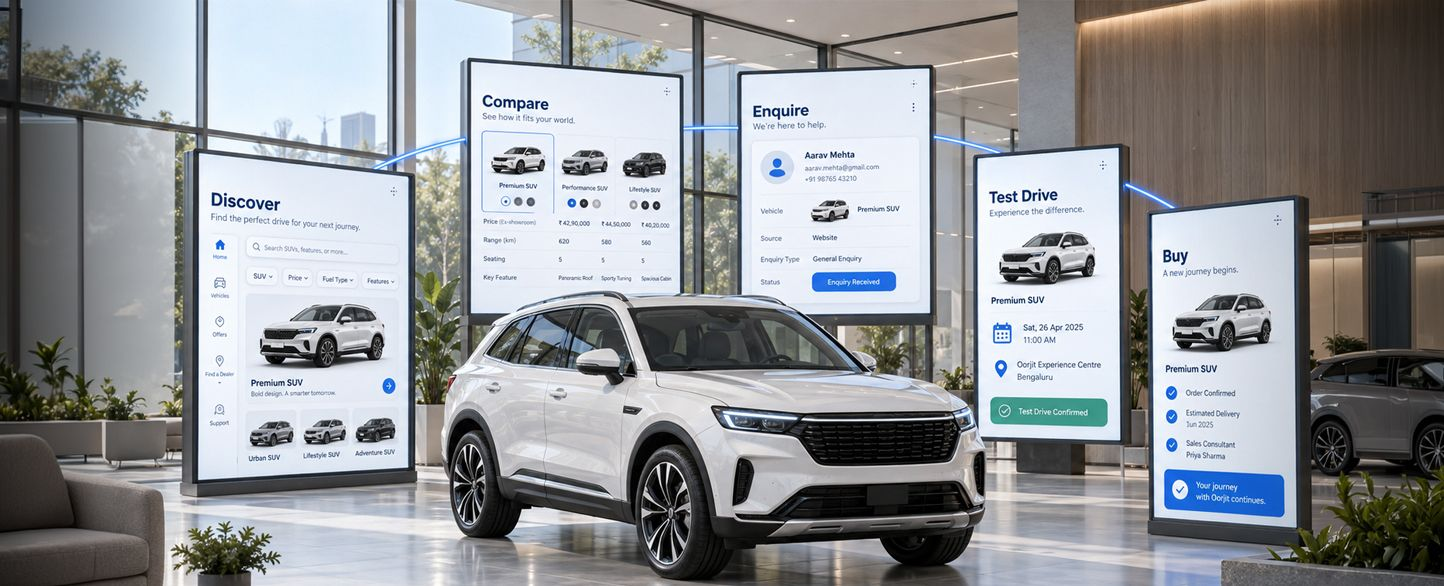
Automotive sales cycles include test drives, vehicle booking, financing coordination, delivery scheduling, and registration. A purpose-built system supports these stages natively.
Inventory-Linked Lead Tracking
Every lead must connect to specific vehicle stock. This improves transparency and reduces friction during negotiations.
Test Drive Monitoring
Tracking test drive scheduling and conversion ratios provides actionable performance data.
Sales-to-Delivery Lifecycle Management
From first inquiry to vehicle handover, an automotive CRM must provide full lifecycle visibility.
Sales and Service Alignment
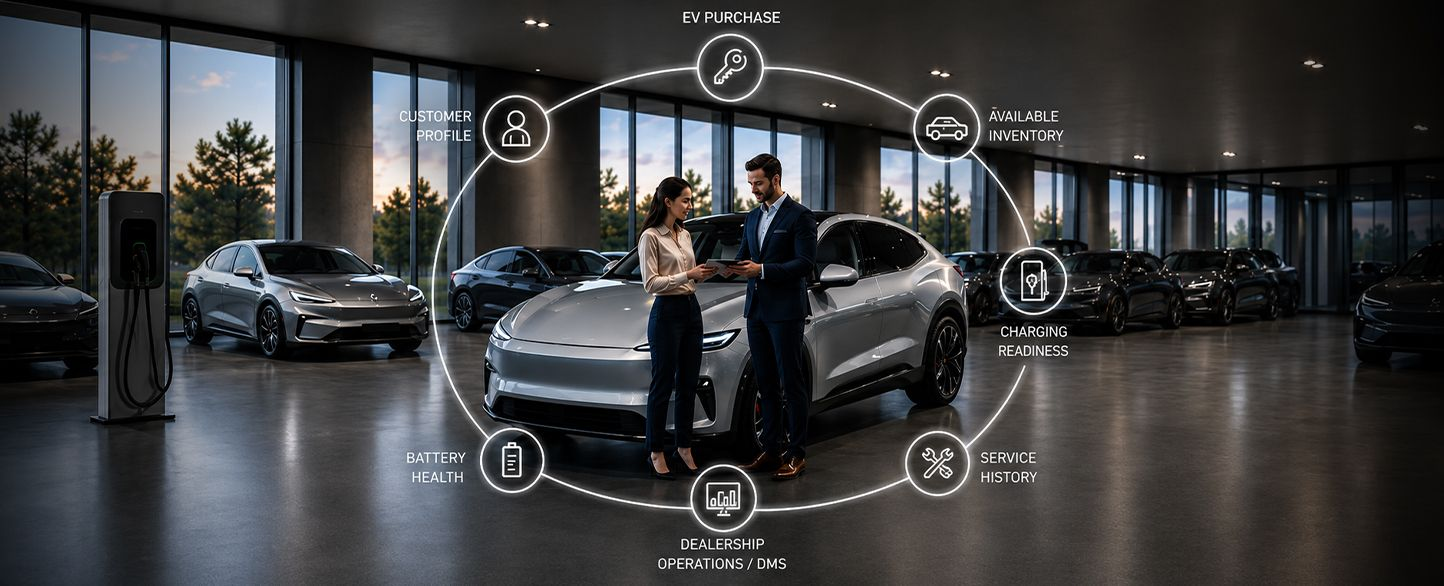
Integrated sales and service data enables:
- Retention campaigns
- Warranty follow-ups
- Upgrade targeting
- Lifetime value analysis
This unified customer view is essential for enterprise dealer groups.
How a Multi Brand Dealership CRM Centralizes Group Operations
A multi brand dealership CRM acts as the digital backbone of dealership groups.
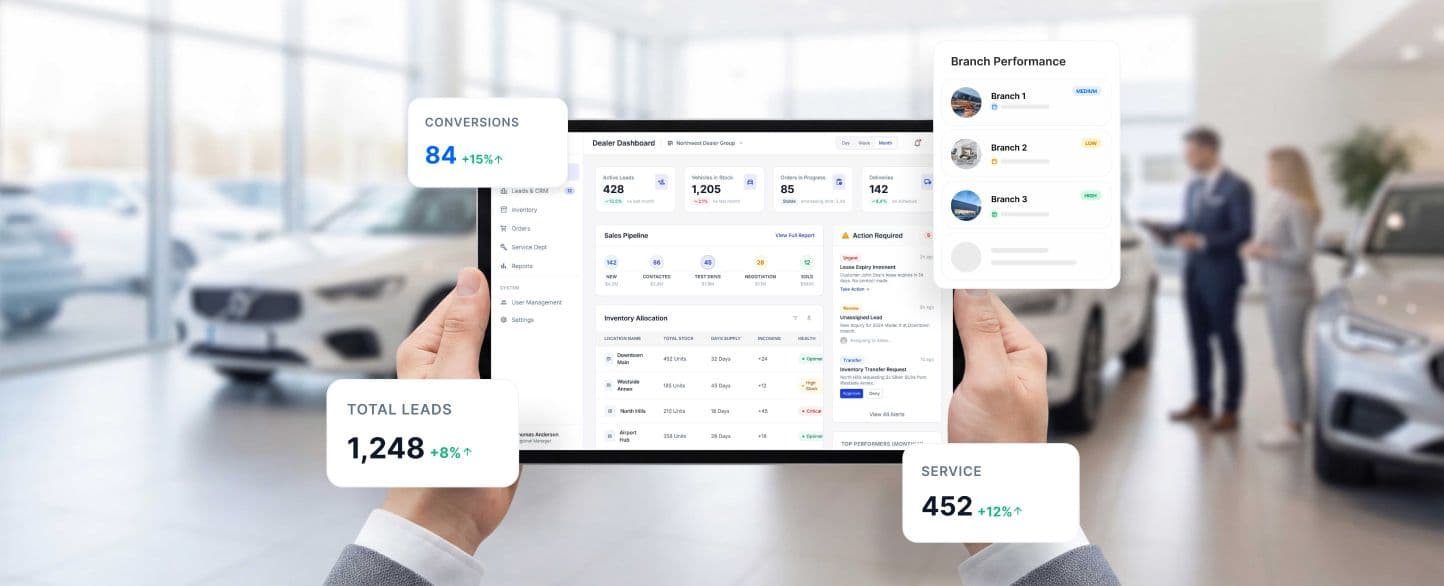
- Centralized Multi-Location Dashboards: Head office leadership should have real-time access to brand-wise sales performance, branch comparisons, conversion metrics, and revenue tracking through centralized dashboards that eliminate fragmented reporting.
- Consolidated Analytics: Instead of collecting spreadsheets from each showroom, leadership can analyze centralized, standardized data.
- Branch-Level Accountability: Performance comparison tools allow dealer groups to benchmark branches and optimize operations.
- Standardized Sales Workflows: A centralized CRM enforces consistent processes across all brands and locations, reducing operational variance.
- Unified Customer Data: Central storage prevents duplication and ensures clean data across the group.
Enterprise Automotive CRM Features That Drive Scale
An enterprise automotive CRM extends beyond operational tracking. It supports strategic growth.
Hierarchical Permissions
Enterprise dealership groups require structured access control to maintain governance across brands and locations.
Hierarchical permissions ensure:
- Data security across departments and brands
- Controlled visibility based on user role
- Clear reporting lines from sales executive to head office
This structure prevents data leakage between showrooms, enforces accountability, and ensures leadership retains centralized oversight without compromising operational efficiency.
Automated Lead Routing
High-volume UAE dealerships cannot rely on manual lead distribution. An enterprise automotive CRM should automatically assign leads based on:
- Brand affiliation
- Showroom or region
- Sales performance metrics
- Advisor availability and workload
Automated routing reduces response time, eliminates bias in allocation, and ensures every inquiry is addressed quickly, improving overall conversion rates.
AI-Driven Insights
Modern dealership groups generate large volumes of sales and customer data.
Enterprise systems analyze:
- Conversion patterns by source and brand
- Sales velocity across locations
- Inventory movement trends
- Individual and team productivity
AI-driven insights allow management to identify bottlenecks, optimize pricing strategies, adjust staffing, and improve demand forecasting. Predictive intelligence transforms CRM from a tracking tool into a strategic growth engine.
API-Based Integration
Disconnected systems slow down operations and increase reporting errors. Open API architecture allows seamless integration with:
- DMS systems
- ERP platforms
- Finance and accounting tools
- Marketing automation systems
Integration eliminates data silos, ensures real-time synchronization, and creates a unified dealership technology ecosystem.
Forecasting and Predictive Reporting
For multi-brand dealer groups, visibility into future performance is as important as tracking current sales.
Executive dashboards should support:
- Revenue projections by brand and branch
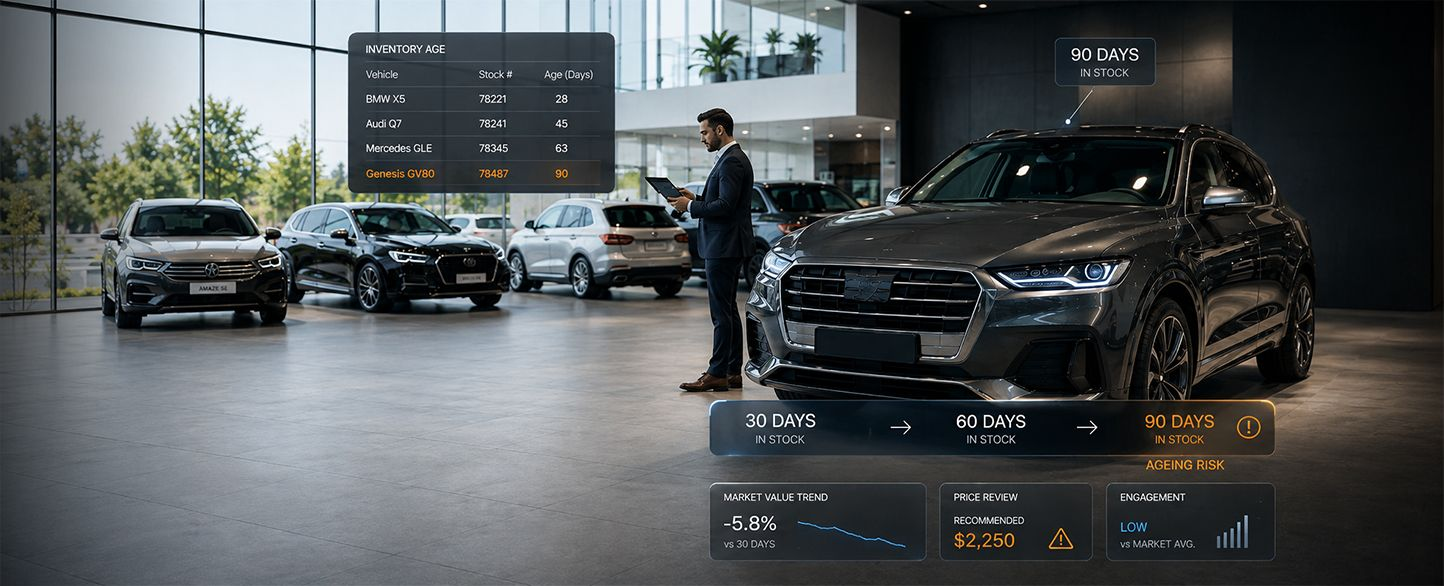
- Inventory planning based on demand trends
- Performance forecasting by advisor and showroom
- Pipeline stage analysis
Predictive reporting enables proactive decision-making, reduces inventory stagnation, and improves capital allocation across the dealership network.
Why OEM Compliant CRM Solution is Critical for Multi-Brand Dealers
Multi-brand dealership groups must meet strict manufacturer reporting standards. An OEM compliant CRM solution ensures alignment.
- Structured Data Standardization: Manufacturer reporting requires consistent data formats and standardized input fields.
- Automated Reporting Compliance: CRM systems must generate reports aligned with OEM expectations without manual consolidation.
- Audit Trails and Transparency: Every lead update, booking change, and delivery confirmation must be traceable.
- Manufacturer Platform Integration: Direct integration with OEM systems improves transparency and strengthens partnerships.
- Data Governance: Enterprise compliance ensures secure customer data handling and reporting integrity.
Why Oorjit is the Best CRM for Multi-Brand Auto Dealerships in the UAE
Oorjit is purpose-built for large dealership groups operating across multiple brands and locations in the UAE. Unlike generic CRM tools, Oorjit functions as a fully integrated enterprise automotive CRM designed specifically for complex dealership ecosystems.
Built for Multi-Brand Operations
Oorjit enables centralized management of:
- Multiple OEM brands
- Multiple showroom locations
- Group-level reporting and analytics
- Standardized sales workflows
Head office leadership gains real-time visibility across all branches without relying on fragmented reports.
Deep DMS & System Integration
Oorjit integrates seamlessly with DMS and ERP systems, ensuring live synchronization of inventory, bookings, finance, and delivery data. This eliminates manual reconciliation and improves operational accuracy.
OEM-Compliant Reporting
Oorjit supports structured data capture and standardized reporting aligned with OEM requirements. This strengthens manufacturer relationships while ensuring audit readiness and reporting accuracy.
Enterprise-Grade Governance & Scalability
With hierarchical permissions, branch-level dashboards, and consolidated analytics, Oorjit supports dealership groups scaling across cities and brands without losing control or visibility.
For dealership networks evaluating the best crm for auto dealerships, Oorjit delivers centralized control, seamless integration, compliance alignment, and measurable performance improvement tailored for the UAE automotive market.
Key Takeaways
- The best crm for auto dealerships must function as a centralized control system for multi-brand dealership groups, not just a contact database.
- Seamless DMS and ERP integration is essential to eliminate data silos and enable real-time synchronization across inventory, sales, finance, and service.
- A specialized auto dealer CRM platform supports automotive workflows such as test drives, vehicle booking, and delivery tracking that generic CRMs cannot efficiently manage.
- A multi brand dealership CRM provides consolidated dashboards, branch comparison analytics, and standardized reporting for head office visibility across UAE showrooms.
- Enterprise automotive CRM features like hierarchical permissions and automated lead routing improve governance, accountability, and response speed.
- AI-driven insights and predictive reporting help dealership groups forecast revenue, optimize inventory allocation, and improve sales productivity.
- An OEM compliant CRM solution ensures structured reporting, audit readiness, and stronger manufacturer alignment in the competitive UAE automotive market.
Conclusion
For multi-brand dealership groups in the UAE, CRM selection directly impacts operational efficiency, OEM compliance, and revenue performance.
The best crm for auto dealerships must combine DMS integration, centralized visibility, automation, and governance while supporting multi-location scalability and predictive insights for leadership teams. Dealer groups should prioritize platforms that unify sales, inventory, service, reporting, and compliance within one connected ecosystem.
Ready to modernize your dealership operations? Explore Oorjit’s enterprise automotive CRM and see how it can centralize, automate, and scale your multi-brand network across the UAE.
FAQs
Q: Which is the best CRM for auto dealerships operating across multiple brands?
A: If you are looking for the best crm for auto dealerships operating across multiple brands, Oorjit is built specifically for enterprise dealer groups. It combines DMS integration, centralized multi-location dashboards, role-based access control, and OEM compliant reporting into one scalable automotive CRM platform.
Q: How does an auto dealer CRM platform improve lead conversion rates?
A: In the UAE market, Oorjit improves lead conversion by automating lead routing, centralizing WhatsApp, SMS, and web inquiries, and enforcing structured follow-ups. It also links every lead directly to live inventory, reducing delays and missed opportunities.
Q: What features should a multi brand dealership CRM provide to head office managers?
A: Oorjit provides consolidated group-level analytics, branch comparison dashboards, and real-time performance tracking across all UAE showrooms. This enables leadership to monitor sales efficiency, brand performance, and operational consistency from a single view.
Q: How does an enterprise automotive CRM handle role-based permissions?
A: Oorjit uses hierarchical access controls tailored for dealership groups, ensuring sales teams, managers, and executives see only relevant data. This maintains security while enabling centralized oversight across locations.
Q: Why do dealership groups need an OEM compliant CRM solution?
A: In the UAE, OEM reporting standards are strict, and Oorjit ensures structured data capture, standardized reporting, and seamless manufacturer integration. This protects dealer-OEM relationships and improves audit readiness.
Q: Can the best CRM for auto dealerships integrate with DMS and ERP systems?
A: Yes. Oorjit offers API-based integration with DMS and ERP platforms, enabling real-time synchronization of inventory, bookings, finance, and delivery data across the dealership ecosystem.
Q: What dashboards are essential in an enterprise automotive CRM?
A: Oorjit provides sales pipeline dashboards, conversion analytics, lead source performance tracking, and branch-level showroom reports. These insights support data-driven decision-making for multi-brand dealership groups.