Car dealerships today operate in a highly fragmented sales environment. Leads arrive from websites, OEM campaigns, listing portals, walk-ins, call centers, and social media channels. At the same time, customers expect fast responses, informed conversations, and a consistent experience regardless of how or where they engage.
Managing this complexity using spreadsheets, shared inboxes, or disconnected tools no longer scales. These methods limit visibility, delay follow-ups, and make it difficult for managers to understand what is actually happening across the sales pipeline.
Automotive CRM has become the system that brings structure to this environment. A dealership CRM connects lead sources, sales workflows, customer data, and performance visibility within a single platform. Instead of relying on manual coordination, dealerships can manage the entire sales journey in a connected and measurable way.
What Is Automotive CRM Software and How Does It Work in a Dealership?
Automotive CRM software is purpose-built to support dealership sales workflows rather than generic sales processes. It reflects how vehicles are sold, how customers move through showrooms, and how teams coordinate across roles and locations. Understanding its value starts with knowing how it differs from traditional CRM systems and what components make it effective.
Automotive CRM vs Generic CRM Systems
Generic CRM platforms are designed for broad industries and linear sales cycles. Automotive sales are different. They involve vehicle-specific enquiries, test drives, negotiations, financing coordination, and delivery timelines, often across multiple touchpoints.
Automotive CRM software is built around these realities. It tracks leads in relation to vehicles, models, or inventory availability. It reflects showroom activities such as walk-ins and test drive bookings. It also supports longer sales cycles where multiple interactions may occur before a booking is confirmed.
Oorjit’s automotive CRM is designed with these dealership-specific workflows in mind, ensuring that sales teams work within a system that mirrors how automotive retail actually operates.
Core Components of a Dealership CRM System
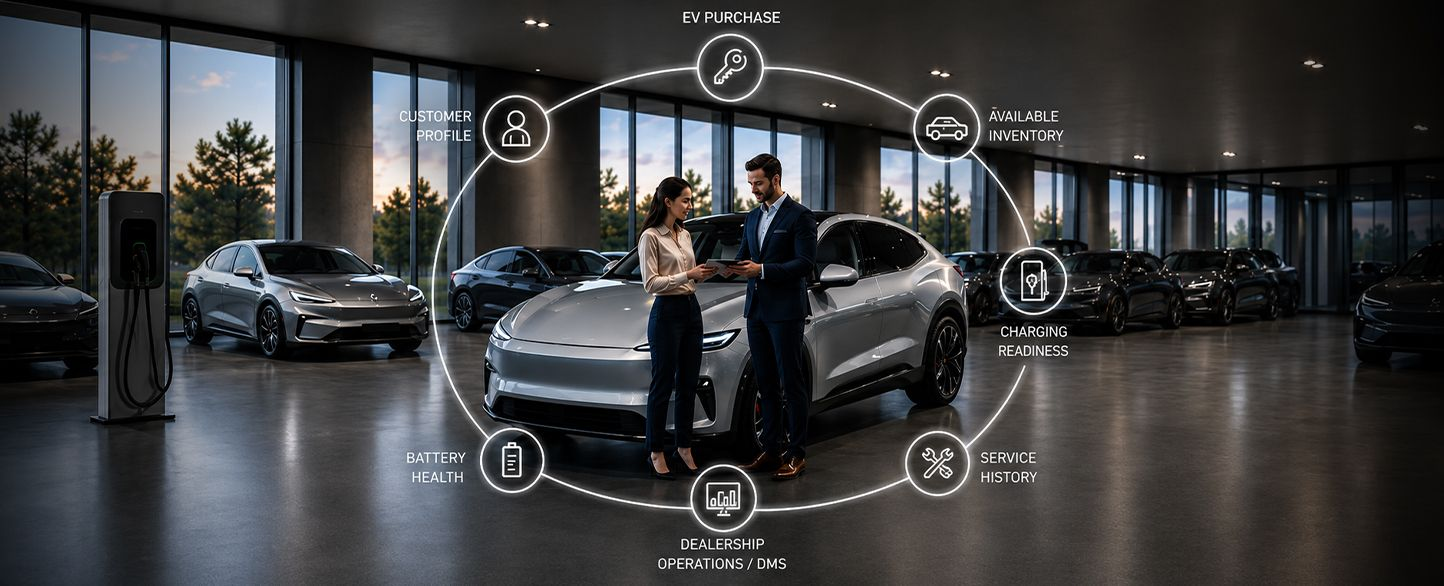
At its core, a dealership CRM system connects four essential elements into one operational layer. These components work together to ensure consistency and visibility across the sales process.
A modern auto dealership CRM system typically includes:
- Centralized lead capture from digital channels, walk-ins, and third-party platforms
- A structured sales pipeline aligned with dealership sales stages
- Unified customer profiles with full interaction history
- Reporting dashboards for managers and operations teams
Together, these components allow dealership CRM platforms like Oorjit to function as operational systems rather than simple contact databases.
How CRM for Car Dealerships Manages Leads from Every Channel
Lead management is often where CRM delivers its most immediate value. With enquiries coming from multiple sources, dealerships need a system that unifies all leads and ensures no opportunity is lost due to delays or miscommunication.
Capturing Website, Walk-In, and Marketplace Leads
Dealerships often struggle with lead fragmentation. Website enquiries may sit in email inboxes, marketplace leads may be handled separately, and walk-in enquiries may never be logged consistently.
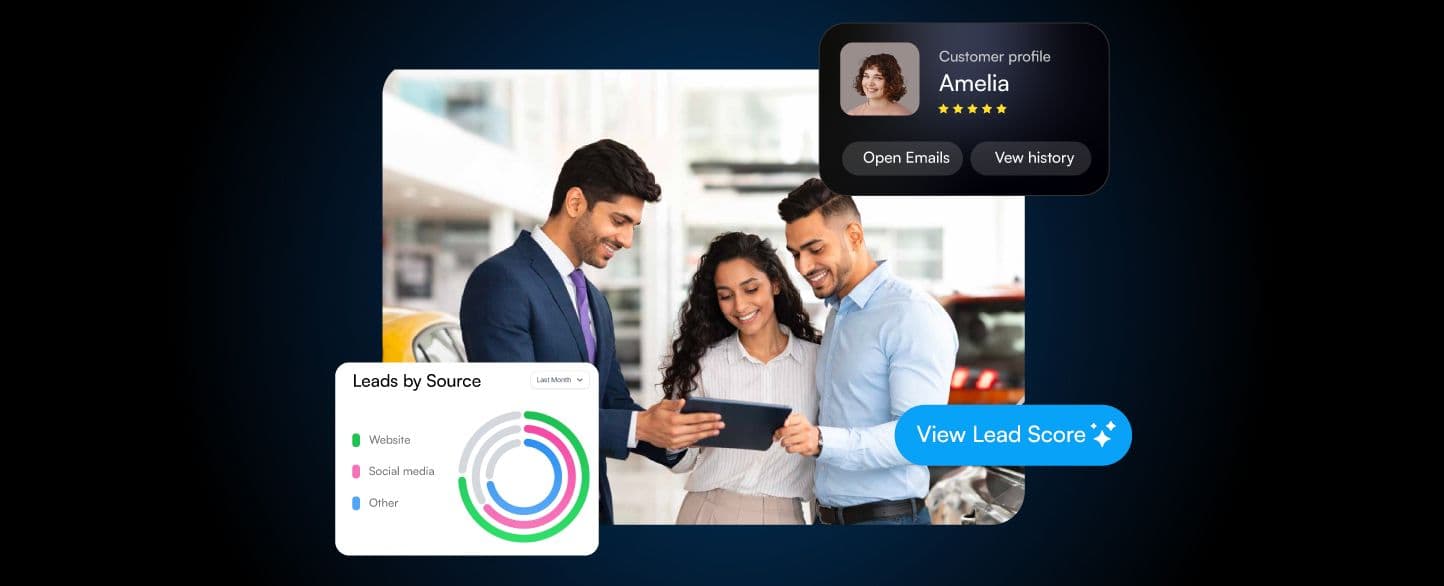
A car sales CRM solves this by creating a centralized lead inbox. Every enquiry, regardless of source, is captured and stored within the same system. This ensures that sales teams have a complete view of all active opportunities.
Oorjit’s CRM is designed to bring together digital and physical lead sources into one interface, helping dealerships eliminate missed enquiries and respond with consistency.
Lead Assignment, Follow-Ups, and Sales Readiness
Once leads are captured, effective handling becomes critical. Dealership CRM systems define how leads are assigned, followed up, and progressed through the sales funnel.
Automotive CRM software can automatically assign leads to sales executives based on rules such as location, brand, or workload. Follow-up reminders and activity tracking ensure that enquiries are addressed promptly.
With Oorjit, managers gain visibility into lead response behavior, follow-up discipline, and overall sales readiness across teams, enabling better accountability and execution.
Using Automotive CRM to Structure and Track the Sales Process
Automotive sales involve multiple stages and decision points. Without structure, deals can stall or fall through unnoticed. A CRM-driven sales process brings clarity and predictability to dealership operations.
From First Inquiry to Vehicle Delivery
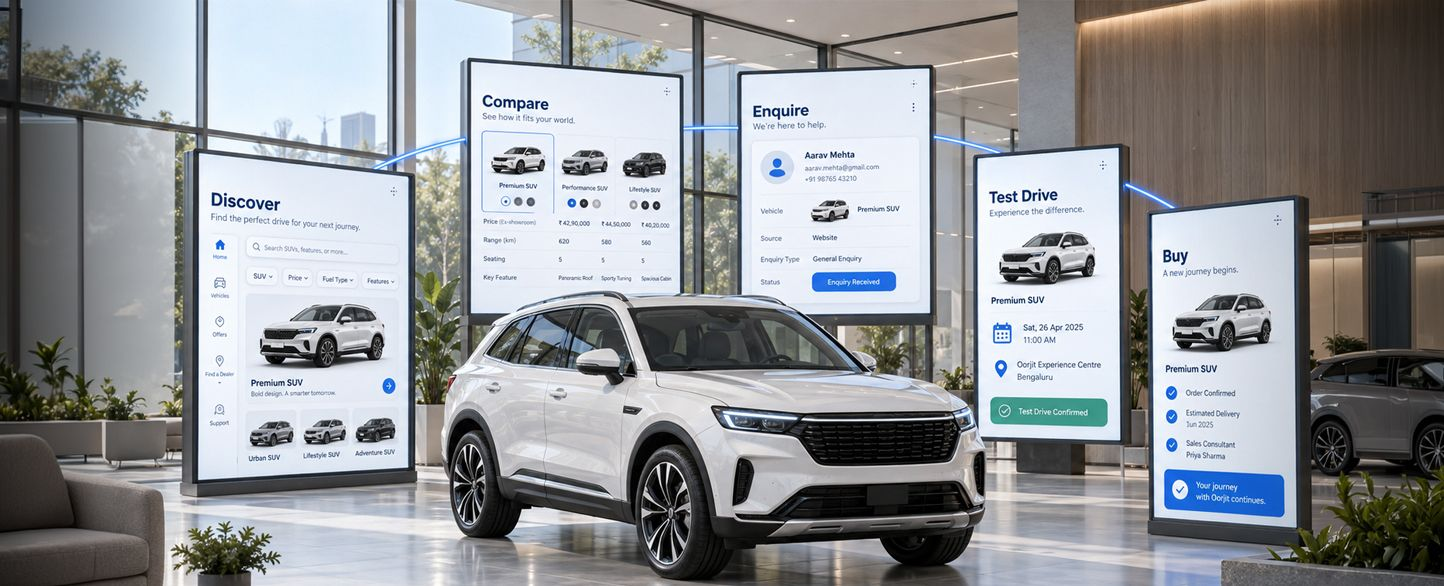
A car sales CRM structures the entire sales journey into defined pipeline stages. These stages typically include initial enquiry, qualification, test drive, negotiation, booking confirmation, and delivery.
Sales teams can see exactly where each lead stands at any given moment. Managers can identify stalled opportunities or pending actions early, rather than discovering issues at the end of the month.
Oorjit’s CRM aligns these pipeline stages with real dealership workflows, helping teams manage sales progression with clarity rather than guesswork.
Improving Conversion Rates with Sales Visibility
Visibility is one of the most powerful advantages of CRM software. When every interaction is tracked, dealerships can analyze where leads drop off and why.
An auto dealership CRM system enables teams to identify high-intent leads, evaluate follow-up effectiveness, and refine engagement strategies based on actual data. Over time, this leads to higher conversion rates and more predictable sales outcomes.
Managing Customer Relationships Beyond the Sale with Automotive CRM
In automotive retail, the relationship with the customer does not end at vehicle delivery. Long-term engagement, service interactions, and repeat purchases all depend on continuity and context.
Customer Profiles, Purchase History, and Interactions
Automotive CRM platforms maintain centralized customer profiles that include purchase history, enquiry records, and communication logs. This ensures that every interaction is informed by past context.
With Oorjit, customer data remains accessible across teams, allowing sales and operations staff to engage customers consistently, even as team members change.
Retention, Repeat Sales, and Long-Term Engagement
CRM for car dealerships supports structured post-sale engagement. Automated follow-ups, service reminders, and milestone communications help dealerships maintain relationships without relying on manual tracking.
This continuity strengthens customer trust and supports repeat purchases and referrals, which are critical for long-term dealership growth.
How Dealership CRM Improves Team Coordination and Accountability
As dealerships scale, coordination across sales teams and locations becomes more complex. Dealership CRM systems provide a shared operational view that aligns individuals and managers around the same data.
Sales Team Performance Tracking
A dealership CRM logs every sales activity, including calls, messages, follow-ups, and meetings. This creates transparency into individual performance and execution quality.
Sales leaders using automotive CRM software can track response times, conversion ratios, and pipeline movement, enabling fair evaluation and targeted coaching.
Manager Dashboards and Operational Oversight
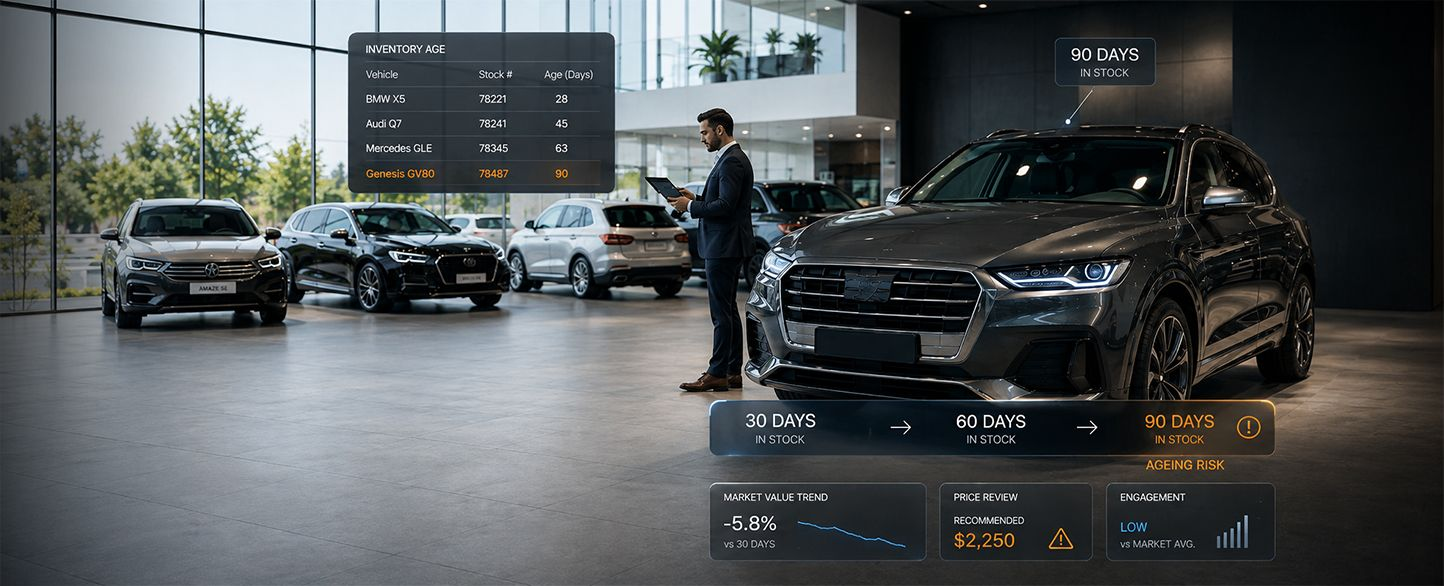
Manager dashboards provide real-time insight into pipeline health, lead volumes, and team performance. Instead of waiting for manual reports, leaders can make informed decisions based on live data.
Oorjit provides operational dashboards that help dealership heads maintain oversight across locations and teams without micromanagement, workload distribution, or declining engagement before they impact revenue.
Choosing the Right CRM Software for Your Dealership
Selecting the right CRM is a strategic decision that impacts daily operations, sales performance, and long-term scalability. Dealerships should evaluate CRM systems based on operational fit rather than feature lists alone.
Key Features to Look for in A Dealership CRM Provider
When assessing CRM providers, dealerships should focus on:
- Depth of lead and pipeline management
- Clarity of reporting and dashboards
- Ease of adoption for sales teams
- Alignment with dealership workflows
Automotive CRM software should support existing processes while enabling operational improvement.
What Defines the Best CRM for Auto Dealerships
The best CRM for auto dealerships is one that scales with growth. It should support multi-location operations, integrate with broader dealership platforms, and provide a unified view across sales and customer engagement.
Oorjit positions CRM as part of a connected automotive retail platform, allowing dealerships to move beyond isolated tools toward integrated operations.
Common Challenges Dealerships Face Without a CRM System
Dealerships operating without a dedicated CRM system often encounter recurring issues such as:
- Missed or delayed lead follow-ups
- Inconsistent customer communication
- Limited visibility into sales performance
- Fragmented customer data across tools
These challenges directly impact revenue, customer experience, and operational efficiency.
Key Takeaways
- Automotive CRM software centralizes all dealership leads from websites, marketplaces, walk-ins, and campaigns into a single system, reducing missed enquiries and response delays.
- A dealership CRM structures the entire sales journey, from first enquiry to vehicle delivery, giving sales teams and managers real-time pipeline visibility.
- CRM for car dealerships improves lead conversion rates by enabling timely follow-ups, clear ownership, and consistent sales execution.
- Dealership CRM systems maintain complete customer profiles, including interaction history and purchase records, supporting personalized engagement.
- Post-sale engagement and retention are strengthened through automated follow-ups, service reminders, and relationship continuity.
- Sales performance and accountability improve as activities, response times, and conversions are tracked transparently across teams.
- The best automotive CRM platforms support multi-location operations, enabling centralized oversight without disrupting local dealership workflows.
- Modern automotive CRM acts as foundational infrastructure, forming the core of connected dealership platforms like Oorjit rather than functioning as a standalone tool.
Conclusion
Choosing the right automotive CRM software is not just about managing leads. It is about creating a connected sales environment where teams have visibility, customers experience continuity, and operations scale without fragmentation.
Oorjit offers an automotive CRM designed around real dealership workflows, helping OEMs and dealer networks manage leads, sales pipelines, and customer relationships within a single, unified platform.
Book a demo to see how Oorjit’s CRM supports your dealership’s sales operations, or schedule a call with our team to discuss your specific dealership structure and growth goals.
FAQs
Q: Are there CRM systems built specifically for car dealerships?
A: Yes. Automotive CRM software is designed specifically for dealership workflows, including lead lifecycle management, vehicle context, and showroom processes.
Q: Can a car sales CRM track online and walk-in leads together?
A: Yes. A car sales CRM centralizes leads from websites, marketplaces, phone inquiries, and walk-ins into a single system.
Q: Can CRM for car dealerships automate follow-ups?
A: Most dealership CRM systems support automated follow-up reminders and task management to ensure consistent customer engagement.
Q: Can CRM for car dealerships track customer purchase history?
A: Yes. Automotive CRM maintains complete customer profiles, including purchase history and past interactions.
Q: Can automotive CRM software support omnichannel car sales?
A: Automotive CRM software supports omnichannel engagement by integrating digital and physical touchpoints within a single system.
Q: Can automotive CRM integrate with dealership management systems?
A: Many automotive CRM providers offer integration capabilities with dealership management and operational systems.
Q: Can dealership CRM track sales performance and conversion rates?
A: Yes. Dealership CRM systems provide reporting and dashboards to track sales activity, performance, and conversion trends.