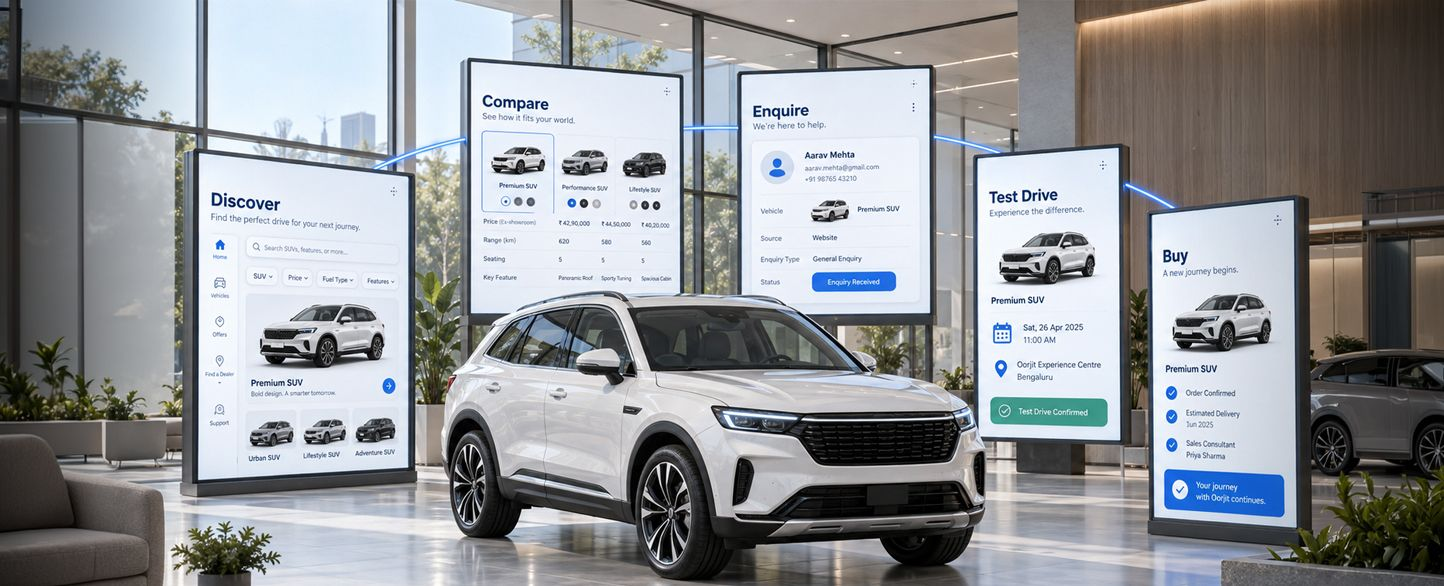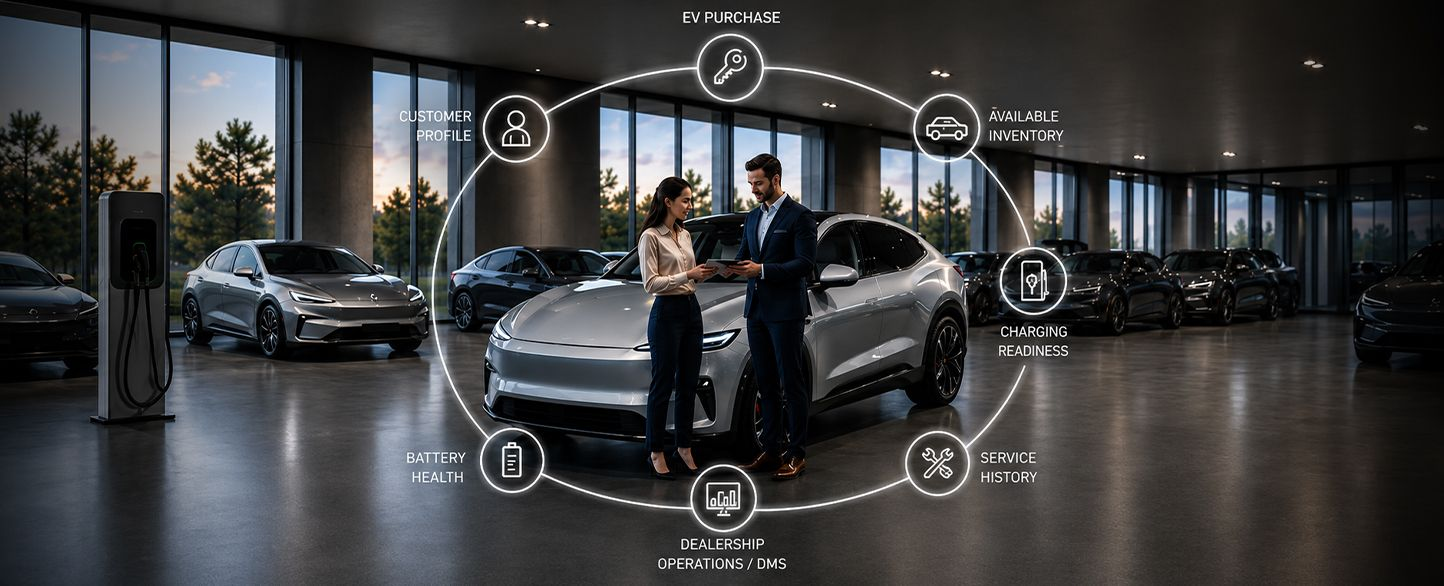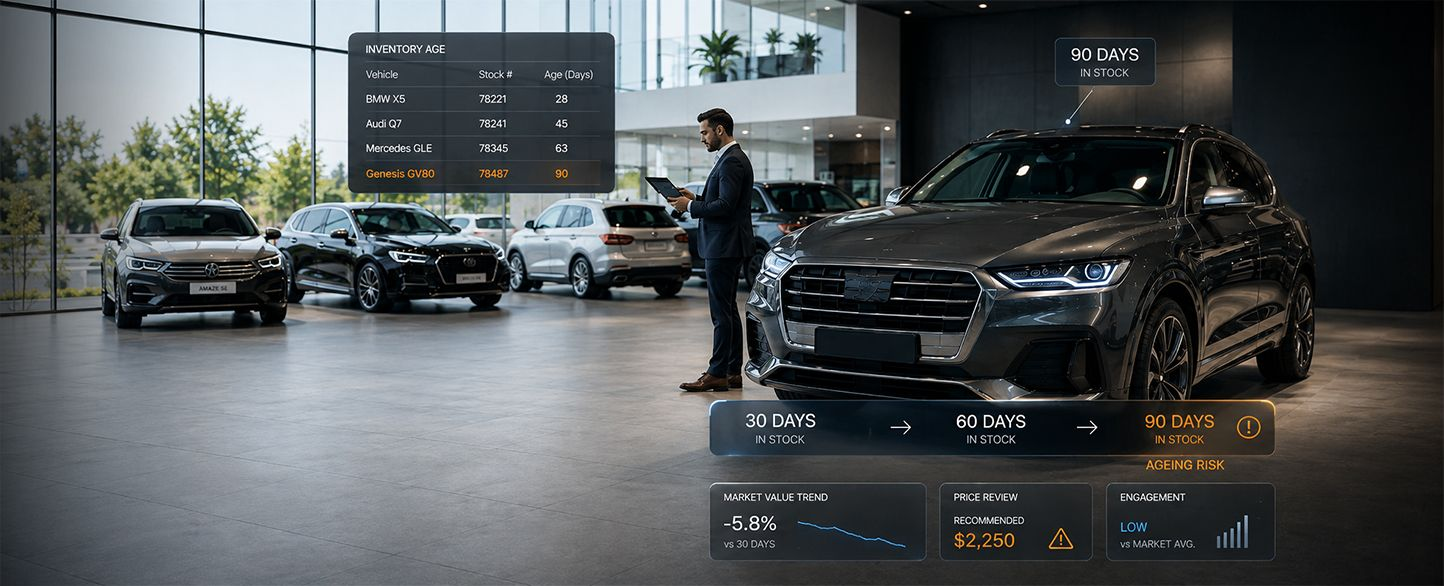
A well-structured sales pipeline is essential for automotive dealership growth. It gives teams better visibility, helps prioritize high-value opportunities, and improves accountability across the sales process.
With an automotive CRM, dealerships can replace manual spreadsheets and fragmented follow-ups with organized customer data, automated workflows, and real-time pipeline visibility.
This article explains how to structure a practical CRM sales pipeline for single-location dealerships, multi-branch operations, and automotive businesses across APAC and UAE markets.
Why Sales Pipeline Structure Matters in Automotive
Automotive sales differ from other industries in important ways. The buying cycle is longer; customer decision-making involves multiple stakeholders; prices are high; test drives and showroom visits require coordination; and follow-up timelines matter significantly. Many customers research online before visiting, some return multiple times before deciding, and others abandon the process and need re-engagement months later.
Without a clear pipeline structure, sales teams often:
- Experience inconsistent follow-up because there's no standard process for when and how to contact customers at each stage. Some prospects are contacted immediately after an inquiry; others fall through the cracks and are never contacted again.
- Struggle with forecast accuracy because there's no consistent criteria for what qualifies a prospect as "likely to close" versus "early stage" or "not yet ready."
- Misses handoff opportunities between sales and after-sales teams because there's no clear moment when a customer transitions from sales management to service management.
- Lacks real-time visibility into pipeline health because sales managers spend time compiling data from multiple sources rather than accessing automated dashboards that show current pipeline status instantly.
An automotive CRM system solves these problems by providing a structured pipeline that creates consistency, visibility, and accountability across your sales organization.
Key Pipeline Stages for Automotive Sales
The foundation of a strong sales pipeline is defining stages that reflect your actual sales process. While different dealerships have different approaches, most automotive sales pipelines include these core stages:
Lead (New Inquiry)
A lead is any new customer inquiry, whether from online forms, phone calls, showroom walk-ins, or third-party sources. At this stage, you have minimal information about the customer beyond their initial interest. The focus is on data collection, quick response, and initial qualification. In automotive CRM terms, this is the entry point into your pipeline, and response time at this stage significantly impacts conversion probability.
Prospect (Qualified Interest)
A prospect is a lead who has been contacted, responded to communication, provided additional information about their needs or vehicle preferences, and expressed genuine interest in exploring options. They've moved beyond initial inquiry and are engaged with your dealership. The prospect stage typically lasts days to weeks and involves multiple touchpoints: phone calls, emails, WhatsApp messages, or in-person showroom visits.
Showroom Visit / Test Drive Scheduled
This stage represents customers who have committed to visiting your dealership or participating in a test drive. This is a critical conversion point because the customer is moving from online or phone interaction into your physical location. Treating this as a distinct pipeline stage helps you track attendance, no-show rates, and ensures proper handoff to the showroom team.
Test Drive / Active Consideration
The customer is now actively evaluating your vehicle options, comparing features, pricing, and financing options. This stage may include multiple test drives, specification discussions, and price negotiations. This is where the sales process becomes most active and where follow-up consistency, product knowledge, and responsiveness directly impact conversion.
Proposal / Negotiation
The customer is considering a specific vehicle, discussing price, trade-in value, and financing options. A formal proposal or quote has been provided. This stage may last from hours to several days as the customer evaluates the deal structure and considers their options.
Ready to Purchase
The customer has agreed to the terms, financing is being arranged, and the sale is moving toward completion. This stage typically represents customers likely to close within the next few days. Some dealerships also use a "Pending Delivery" stage to track customers waiting for vehicle delivery or final paperwork completion.
Closed Won
The sale has been completed. The customer has taken delivery and the transaction is finalized. At this point, many dealerships transition the customer to their aftersales or service team for ongoing engagement.
Closed Lost / Inactive
Prospects who have been contacted multiple times but haven't advanced, customers who explicitly declined, or prospects who haven't engaged for an extended period. Some dealerships further segment this into "Lost to Competitor," "Budget/Timing Not Right," or "Customer Unresponsive" to understand why deals didn't close.
Defining Qualification Criteria for Each Stage
Having clear qualification criteria ensures consistency in how sales teams move customers through stages. Without these criteria, pipeline reporting becomes unreliable because different team members have different interpretations of what qualifies as a "prospect" or "ready to purchase."
For each pipeline stage, define: what information needs to be captured, what actions have been taken, and what conditions must be met before advancing to the next stage.
Lead to Prospect criteria:
Customer has been contacted at least once, has provided information about their vehicle interest (make, model, budget, or timeframe), and has responded to communication. If a customer inquires but never responds to follow-up attempts, they remain a lead rather than advancing to a prospect.
Prospect to Showroom Visit criteria:
The customer has confirmed a specific date and time for a dealership visit or test drive. This commitment (even if made verbally) signals genuine interest and warrants moving to this stage. Unconfirmed prospects discussing "maybe visiting next week" remain in the prospect stage until a specific appointment is confirmed.
Showroom Visit to Test Drive criteria:
Customer has completed a showroom visit and participated in or is actively considering a test drive. They've had direct interaction with your team and vehicle options. This distinction matters because a showroom visit doesn't automatically mean a test drive; some customers are just gathering information.
Test Drive to Proposal criteria:
The customer has completed a test drive or multiple test drives and has expressed serious interest in a specific vehicle. The sales team has provided pricing information, discussed financing options, or begun discussing trade-in value. The customer is actively moving toward a purchasing decision.
Proposal to Ready to Purchase criteria:
The customer has accepted the proposed deal structure, agreed on price and terms, and is moving toward contract execution. Financing has been pre-approved (if applicable), and no major obstacles remain. This stage typically represents customers with a high close probability.
Ready to Purchase to Closed Won:
Paperwork is signed, payment is received (or financing is finalized), and the customer is scheduled for delivery or has taken possession. The transaction is complete.
These criteria create a shared understanding across your sales team about what each stage means and when customers should advance.
Building Your Automotive CRM Pipeline Structure
An automotive CRM system allows you to configure pipeline stages, define automation rules, and create visibility dashboards. Here's how to build this effectively:
Step 1: Map Your Sales Process
Document your actual sales process from the customer's first contact through delivery and handoff to service. Include decision points, approval requirements, and typical timelines at each stage. This mapping ensures your CRM pipeline matches reality rather than imposing an artificial structure that doesn't reflect how your dealership actually sells.
Step 2: Define Stages in Your CRM
In your automotive CRM, create pipeline stages that match your sales process. Most systems allow you to label stages, assign owners, set expected timelines, and define success criteria. Ensure stage names are clear and used consistently across all sales team members.
Step 3: Add Qualification Fields
Configure your CRM to capture the information needed at each stage: vehicle preferences, budget, timeline, trade-in vehicles, contact information, communication preferences, and any custom fields specific to your business. These fields feed your qualification criteria and support pipeline visibility.
Step 4: Set Expected Timelines
Define how long customers typically spend at each stage. Leads might be expected to move to prospects within 3 days; prospects to showroom visits within 5 to 10 days; and test drives to proposals within 2 to 3 days. These timelines help managers identify delays and opportunities for follow-up.
Step 5: Create Automated Workflows
Use your automotive CRM to automate routine actions: sending follow-up emails or WhatsApp messages when customers enter certain stages, flagging opportunities for manager review when they exceed expected timelines, or notifying service teams when deals close so they can schedule first service appointments.
Integration with Omnichannel Communication
Modern automotive CRM systems integrate customer communication channels into the pipeline: website inquiries, WhatsApp messages, phone calls, and showroom interactions all feed into the unified pipeline. This integration matters because it gives you complete visibility into customer touchpoints and prevents communication from falling through the cracks.
When a customer contacts you via WhatsApp, that conversation is captured in the CRM and visible to the next team member who engages. When an online form is submitted, that lead automatically appears in your pipeline. When a customer calls your dealership, that interaction can be logged and associated with their profile.
This omnichannel integration transforms pipeline management from a manual data-entry exercise into a real-time reflection of customer engagement across all your communication channels.
Pipeline Health Metrics and Dashboards
An effective automotive CRM pipeline structure provides visibility into key metrics:
Pipeline Coverage: Total value of all open opportunities relative to your monthly sales target. A healthy pipeline typically represents 2 to 3 times your monthly target, allowing flexibility for lost deals and realistic forecasting.
Conversion Rate by Stage: Percentage of customers who advance from each stage to the next. This metric identifies bottlenecks. For example, if 60% of prospects move to showroom visits but only 20% of showroom visits convert to test drives, your showroom process or customer engagement may need attention.
Average Sales Cycle: Average time from lead entry to close. Tracking this over time helps you understand whether your sales process is becoming faster or slower and whether changes to your approach are having an impact.
No-Show Rate: Percentage of scheduled showroom visits or test drives where customers don't appear. High no-show rates indicate follow-up or confirmation problems.
Days in Stage: How long prospects are staying at each stage. If prospects are sitting in the "proposal" stage for 10 days when your target is 3 days, your sales team needs to increase follow-up urgency or address deal structure obstacles.
Real-time dashboards showing these metrics help sales managers identify opportunities and guide team effort toward the greatest impact.
Best Practices for Pipeline Management
Keep your pipeline realistic. Include only opportunities that represent genuine customer interest and legitimate potential for sale. Inflated pipelines create false forecasts and misdirect effort.
Review your pipeline weekly. Managers should review pipeline status, aging, and conversion metrics weekly to identify patterns, opportunities, and obstacles requiring attention.
Enforce pipeline discipline. Ensure all sales team members are using the CRM consistently, logging activities, and updating customer status accurately. Pipeline quality depends on data quality.
Align with your sales process. Don't force a generic pipeline structure if it doesn't match how you sell. Customize stages and criteria to your business model and market.
Connect sales and service teams. Create a handoff process where closed deals trigger service team engagement. This coordination improves customer experience and opens opportunities for service revenue.
Segment by customer type. If you sell vehicles, service plans, and fleet options, you may need different pipeline structures for different customer segments. Your automotive CRM should support this segmentation.
Implementation Considerations
Moving to a structured automotive CRM pipeline requires planning and change management. Sales teams accustomed to unstructured processes may initially resist CRM discipline. Address this by clearly explaining how the structured pipeline benefits their work: better lead management, reduced administrative effort, and improved visibility into their activity and performance.
Start with a clear, realistic pipeline structure that matches your existing process. You can refine and optimize after teams become comfortable with the system. Provide training focused on practical use rather than technical features. Show teams how the pipeline helps them prioritize, communicate with customers, and close more deals.
Expect a 30 to 90-day adjustment period as teams adapt to consistent CRM use and discipline. Support from sales leadership, reinforcing the importance of accurate pipeline maintenance, is critical during this transition.
Conclusion
A well-structured automotive CRM pipeline gives dealerships better visibility, consistency, and accountability across the sales process. It helps improve customer engagement, speed up sales cycles, and support more accurate forecasting.
The right pipeline should reflect how your dealership actually sells, based on your market, customer type, and sales approach. With the right CRM structure, training, and usage discipline, dealerships can manage opportunities more effectively and scale sales operations with confidence.
Looking to improve CRM pipeline management for your automotive dealership? Reach out to learn how structured automotive CRM systems can improve sales productivity, pipeline visibility, and customer engagement across Singapore, UAE, Indonesia, and wider APAC markets.
FAQ
Q: What is a sales pipeline in an automotive CRM context?
A: A sales pipeline is a structured visualization of all customer opportunities at different stages from initial inquiry through final sale. In an automotive CRM, the pipeline tracks where each prospect is in the buying journey and helps sales teams prioritize follow-up, managers forecast revenue, and dealerships identify bottlenecks in their sales process.
Q: How many stages should an automotive CRM pipeline have?
A: Most effective automotive pipelines have 6 to 9 stages, depending on your sales process. Common stages include lead, prospect, showroom visit, test drive, proposal, ready to purchase, and closed won/lost. Too few stages limit visibility; too many create complexity and inconsistent usage. Choose stages that match how your dealership actually sells.
Q: What's the difference between a lead and a prospect in automotive sales?
A: A lead is any new customer inquiry with minimal initial engagement. A prospect is a lead who has been contacted, responded to communication, and shown genuine interest in exploring options. This distinction helps your automotive CRM prioritize follow-up efforts toward customers most likely to buy.
Q: How does an automotive CRM improve sales team productivity?
A: A well-structured pipeline reduces time spent searching for customer information, provides automated reminders for follow-up, eliminates duplicate contact attempts, and surfaces high-priority opportunities requiring immediate attention. Teams focus their effort on customers most likely to close rather than wasting time on repetitive administrative tasks.
Q: Why should automotive dealerships track days in stage?
A: Days in stage reveal whether your sales process is moving efficiently. If prospects are sitting in early stages longer than expected, it indicates follow-up gaps or engagement problems. If they move too quickly without proper consideration, you may be rushing customers or missing upsell opportunities. Monitoring this metric helps optimize your sales velocity.
Q: How does omnichannel CRM improve pipeline management?
A: Omnichannel integration captures all customer interactions (website inquiries, WhatsApp messages, phone calls, showroom visits) in one unified pipeline. This prevents customer inquiries from falling through communication gaps, ensures consistent follow-up regardless of contact channel, and gives managers complete visibility into customer engagement patterns.
Q: What's the relationship between pipeline structure and sales forecasting accuracy?
A: Accurate pipeline structure with clear qualification criteria enables reliable forecasting. When pipeline stages have consistent definitions and managers track conversion rates by stage, they can forecast upcoming revenue with realistic confidence intervals. Unstructured pipelines create unreliable forecasts that lead to poor business planning.
Q: How should automotive dealerships handle customers who don't fit traditional pipeline stages?
A: Some customers (fleet buyers, corporate leasing arrangements, or wholesale transactions) follow different buying processes. Your automotive CRM should support custom pipeline structures or parallel pipelines for these segments. This keeps your main sales pipeline focused on standard retail while capturing opportunities that require different processes.