Across the automotive market in Southeast Asia, digital adoption is rapidly transforming how vehicles are discovered, evaluated, and purchased. With increasing internet penetration and mobile-first behavior, consumers now rely heavily on digital automotive retail experiences to research models, compare pricing, and explore financing options before ever visiting a dealership.
These shifting car-buying trends in Southeast Asia are fueling the growth of digital car sales in Southeast Asia, pushing dealerships to rethink traditional sales approaches. Today’s buyers expect faster, more transparent, and highly personalized journeys that move seamlessly between online and offline touchpoints.
To keep up with these evolving expectations, dealerships must adopt an automotive retail platform such as Oorjit, which integrates inventory, CRM, and customer engagement into a unified ecosystem, enabling consistent, scalable, and conversion-driven retail experiences.
What Is Digital Car Retailing in Southeast Asia?
Digital car retailing is the process of buying and selling vehicles through online platforms that integrate inventory, financing, and customer engagement tools. As part of the broader shift toward digital automotive retail, it allows customers to complete most of the car-buying journey digitally while reducing dependence on physical dealership visits.
How does an automotive retail platform work?
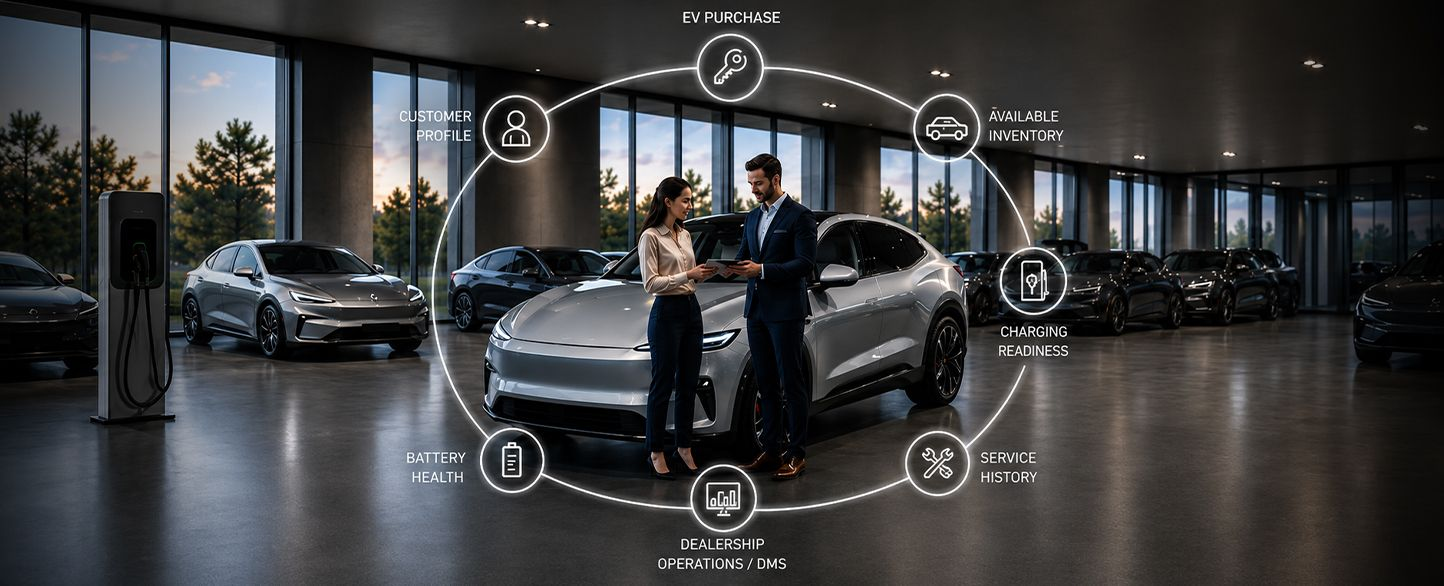
An automotive retail platform is a digital system that enables dealerships to manage vehicle sales, customer interactions, inventory, and financing within a single integrated environment. It also functions as an automotive eCommerce platform, supporting end-to-end digital retailing across online and offline channels.
Solutions like Oorjit bring all these capabilities into a unified ecosystem, making it easier for dealerships to manage the entire sales lifecycle.
What is the difference between traditional and digital car dealerships?
Traditional dealerships primarily rely on walk-ins, manual follow-ups, and fragmented systems. In contrast, digital dealerships leverage technology to streamline operations and enhance customer engagement. They offer features such as online booking, virtual consultations, and automated follow-ups, which significantly reduce friction in the buying process.
Why is digital car retailing growing in Southeast Asia?
Several factors are driving this growth. The region’s mobile-first population, increased trust in digital payments, and the influence of global eCommerce trends have all contributed to changing consumer expectations. Additionally, competition among dealerships is pushing businesses to adopt innovative solutions that differentiate them in a crowded market.
Why Is Southeast Asia a Fast-Growing Market for Digital Car Sales?
Southeast Asia is home to a young, digitally connected population with rising disposable incomes. This shift is directly influencing car buying trends in Southeast Asia, where consumers increasingly prefer online research, digital comparisons, and seamless purchase journeys. As a result, digital car sales in Southeast Asia are growing rapidly, pushing dealerships to adopt advanced retail technologies.
How are car-buying habits changing in Southeast Asia?
Modern consumers prefer conducting extensive online research before making a purchase decision. They compare models, read reviews, watch video content, and evaluate financing options online. By the time they visit a dealership, they are already well-informed, which shortens the sales cycle.
Which Southeast Asian countries are leading in online car sales?
Countries like Indonesia, Thailand, Malaysia, and Vietnam are at the forefront of digital automotive transformation. These markets have seen rapid growth in online vehicle listings, digital financing options, and virtual customer engagement tools.
How is e-commerce influencing car dealerships in ASEAN countries?
The rise of e-commerce has set new benchmarks for convenience, speed, and personalization. Customers expect similar experiences when buying vehicles. This has forced dealerships to rethink their strategies and adopt digital-first approaches that align with these expectations.
How Do Customers Buy Cars Online in Southeast Asia?
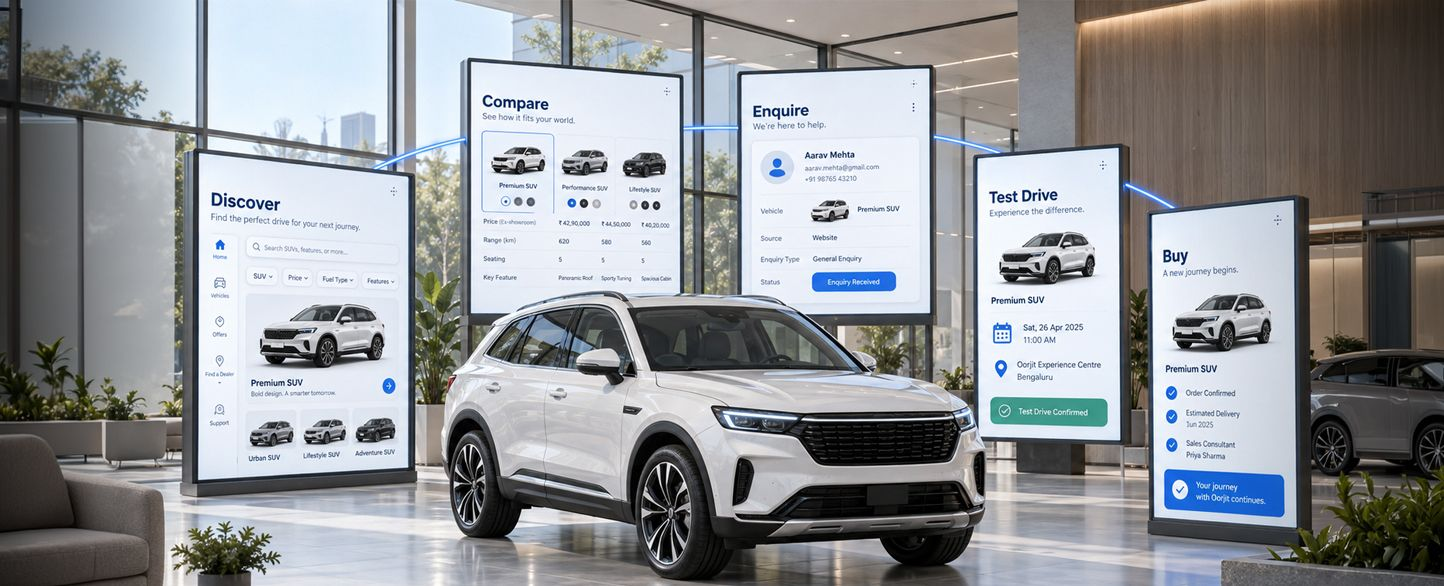
The online car buying journey typically begins with browsing available inventory on a dealership’s website or platform. Customers can filter options based on price, brand, features, and location. These experiences are powered by digital automotive retail systems that ensure speed, personalization, and convenience throughout the journey.
What features do customers expect from an automotive retail platform?
Customers expect a seamless and intuitive experience. This includes real-time inventory updates, transparent pricing, easy financing options, virtual showrooms, and responsive customer support. Mobile optimization is also critical, given the region’s heavy reliance on smartphones.
How does digital car retailing improve customer experience?
Digital retailing eliminates many of the pain points associated with traditional car buying. It reduces the need for multiple dealership visits, provides greater transparency, and allows customers to make informed decisions at their own pace. Personalized recommendations based on browsing behavior further enhance the experience.
What is a virtual showroom in automotive retail?
A virtual showroom uses interactive technologies such as 360-degree views, augmented reality, and video walkthroughs to showcase vehicles online. This allows customers to explore cars in detail without physically visiting a dealership, making the process more convenient and engaging.
How Are Dealerships Adapting to Digital Car Retailing?
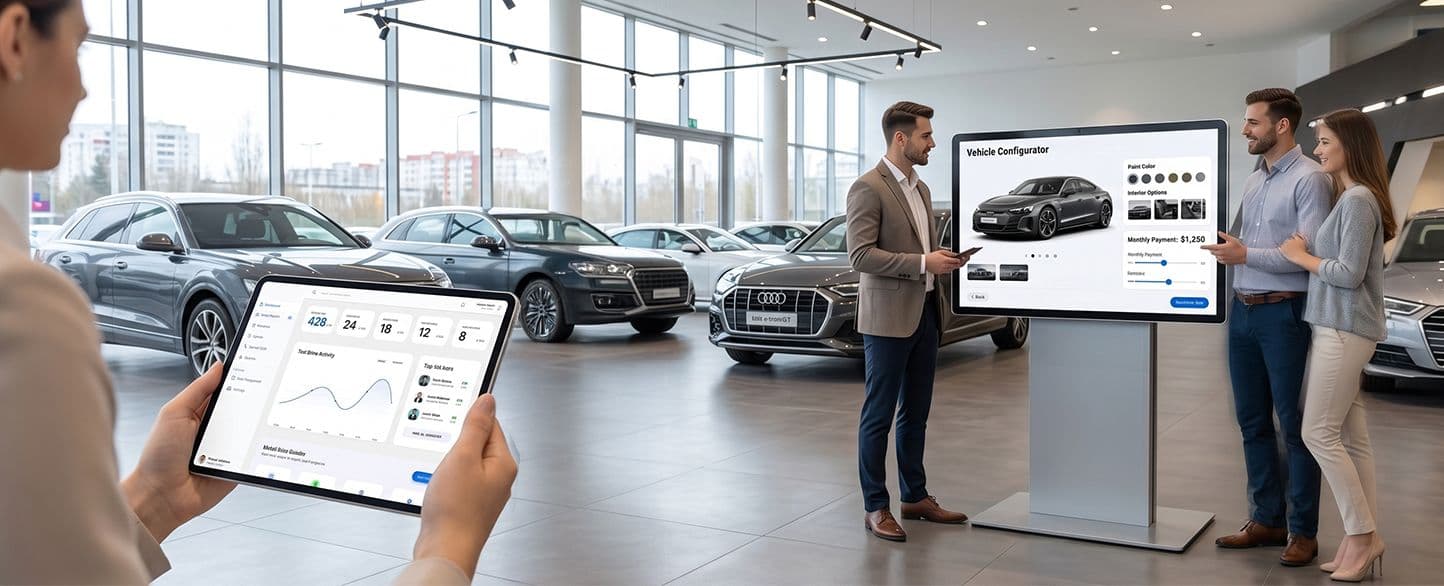
Dealerships are increasingly investing in automotive retail platforms to digitize their operations. This includes adopting CRM systems, automating lead management, and integrating digital marketing tools. Many dealerships are also training their staff to handle online inquiries and provide virtual consultations.
Platforms such as Oorjit help dealerships automate workflows, improve lead management, and create a connected omnichannel experience.
Do dealerships need an automotive retail platform to stay competitive?
In today’s competitive landscape, having a digital presence is no longer optional. Dealerships that fail to adopt automotive retail platforms risk losing customers to competitors who offer more convenient and engaging experiences.
What are the benefits of digital transformation for car dealerships?
Digital transformation leads to improved operational efficiency, better customer insights, and higher conversion rates. It also enables dealerships to scale their operations without significantly increasing costs.
How can dealerships integrate online and offline sales channels?
An omnichannel approach is essential for seamless integration. This involves ensuring that customer data and interactions are synchronized across all touchpoints, allowing customers to switch between online and offline channels without disruption.
What is an omnichannel strategy in automotive retail?
Omnichannel automotive retail is a strategy that integrates online and offline sales channels to provide a seamless and consistent customer experience across all touchpoints, including websites, mobile apps, and physical dealerships.
What Technologies Power Automotive Retail Platforms?
Modern platforms rely on a combination of cloud computing, artificial intelligence, APIs, and advanced analytics. These technologies enable real-time data processing, scalability, and seamless integration with third-party systems.
How is AI used in digital car retailing?
AI plays a crucial role in enhancing customer engagement and operational efficiency. It enables personalized recommendations, predictive analytics, chatbots for customer support, and automated lead scoring.
What is the role of CRM in automotive retail platforms?
CRM systems are essential for managing customer relationships. They help dealerships track interactions, manage leads, and analyze customer behavior, enabling more targeted marketing and improved sales performance.
How do dealerships manage inventory online?
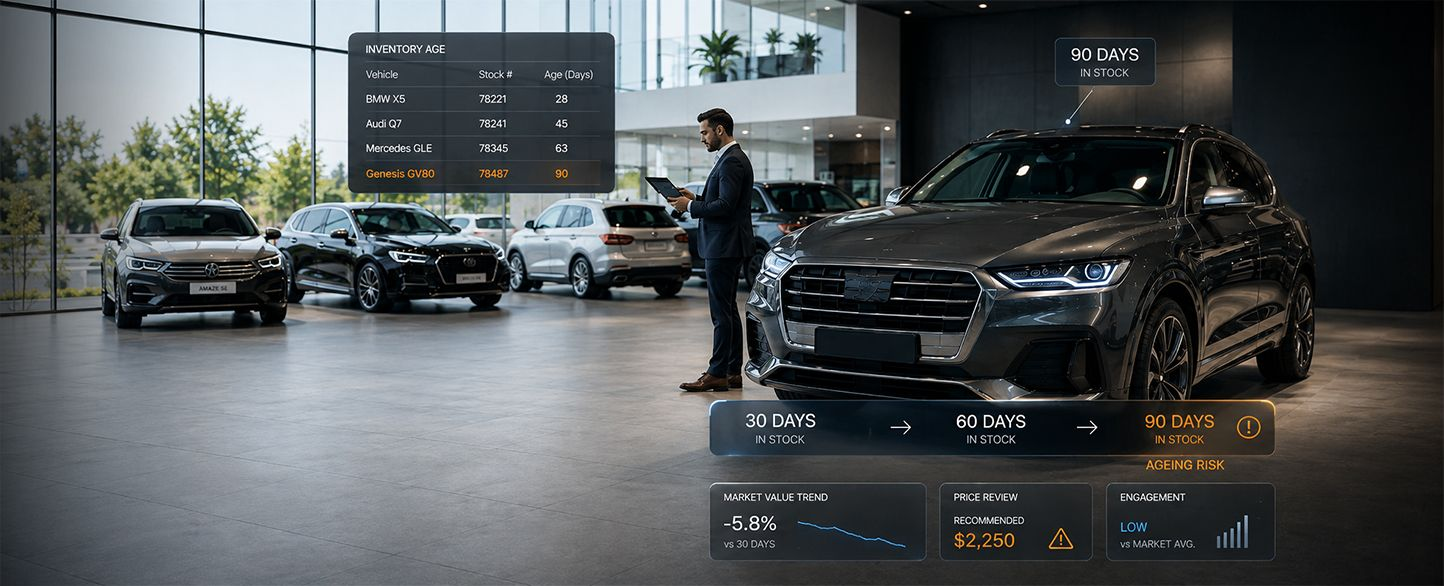
Centralized inventory management systems provide real-time updates on vehicle availability across multiple locations. This ensures that customers have access to accurate information, reducing the chances of disappointment and improving trust.
How Does Digital Car Retailing Increase Dealership Sales?
By expanding their reach beyond physical locations, dealerships can attract a larger audience. Digital platforms also enable better lead management and personalized engagement, which increases the likelihood of conversion.
What is the ROI of an automotive retail platform?
The return on investment comes from multiple factors, including higher conversion rates, reduced operational costs, and improved customer retention. Over time, these benefits significantly outweigh the initial investment.
Can digital platforms reduce dealership operational costs?
Yes. Automation reduces the need for manual processes, minimizes errors, and optimizes resource allocation. This leads to lower overhead costs and improved efficiency.
How do online platforms improve lead conversion in car sales?
Digital platforms enable dealerships to capture, track, and nurture leads more effectively. Features such as automated follow-ups, personalized messaging, and data-driven insights help convert prospects into customers.
What Is the Future of Car Dealerships in Southeast Asia?
The future lies in hybrid models that combine digital and physical experiences. Dealerships will continue to play a role, but their function will evolve to focus more on experience and less on transactions.
Will online car sales replace traditional dealerships?
While online sales will dominate the early stages of the buying journey, physical dealerships will remain important for test drives, consultations, and aftersales services.
How will digital platforms shape the automotive industry in ASEAN?
Digital platforms will drive greater efficiency, transparency, and scalability. They will also enable new business models and revenue streams, transforming the industry as a whole.
How can dealerships prepare for digital disruption?
Dealerships must invest in technology, adopt data-driven strategies, and focus on delivering exceptional customer experiences. Continuous innovation will be key to staying competitive.
Key Takeaways
- Digital car retailing is transforming how dealerships operate, enabling fully integrated online-to-offline customer journeys across the automotive market Southeast Asia
- An automotive retail platform helps dealerships centralize inventory, CRM, financing, and customer engagement into one unified system
- The rise of digital automotive retail is driven by changing car buying trends in Southeast Asia and increasing digital adoption
- Automotive eCommerce platforms enable dealerships to scale operations, improve efficiency, and enhance customer experience
- The growth of digital car sales Southeast Asia is creating new opportunities for dealerships to expand reach and improve conversions
Conclusion
Dealerships in Southeast Asia are at a turning point. Traditional sales models are no longer enough to meet the expectations of today’s digital-first customers. The rise of digital automotive retail is reshaping the automotive market Southeast Asia, demanding faster, smarter, and more connected experiences.
To stay competitive, dealerships must adopt an automotive retail platform that bridges the gap between online and offline journeys. Solutions like Oorjit enable this shift by combining technology, data, and customer engagement into one powerful ecosystem.
Don’t get left behind. Start your digital transformation journey with Oorjit today.
FAQs
Q: How to choose the best automotive retail platform in Southeast Asia?
A: Choose a platform that offers end-to-end functionality, including inventory, CRM, and financing integrations. It should be scalable, mobile-optimized, and adaptable to Southeast Asia’s diverse markets. Solutions like Oorjit provide unified, omnichannel capabilities with strong analytics and seamless integrations, helping dealerships deliver consistent customer experiences across digital and physical touchpoints.
Q: What features should a dealership look for in a digital retail platform?
A: Dealerships should prioritize real-time inventory management, CRM integration, lead tracking, financing tools, analytics dashboards, and omnichannel capabilities. Features like virtual showrooms, mobile-first design, automated follow-ups, and API integrations are also essential for delivering a seamless and modern car buying experience.
Q: How to implement an automotive eCommerce platform for dealerships?
A: Start by identifying your dealership’s operational gaps and digital goals. Select a platform that integrates with your existing systems, including CRM and inventory tools. Ensure proper data migration, train your team on new workflows, and gradually roll out features like online bookings, financing tools, and digital customer engagement for smooth adoption.
Q: What are the benefits of omnichannel automotive retailing in ASEAN?
A: Omnichannel retailing ensures a consistent and connected customer experience across online and offline touchpoints. It allows customers to start their journey online and complete it in-store or vice versa. This improves engagement, reduces friction in the buying process, and significantly increases conversion rates and customer satisfaction.
Q: How to improve online car sales using digital platforms?
A: Focus on creating a seamless user experience with intuitive navigation, fast-loading pages, and mobile optimization. Use data
driven personalization, transparent pricing, and easy financing options to build trust. Combine this with strong lead nurturing, automated follow-ups, and digital marketing strategies to drive higher conversions and repeat customers.