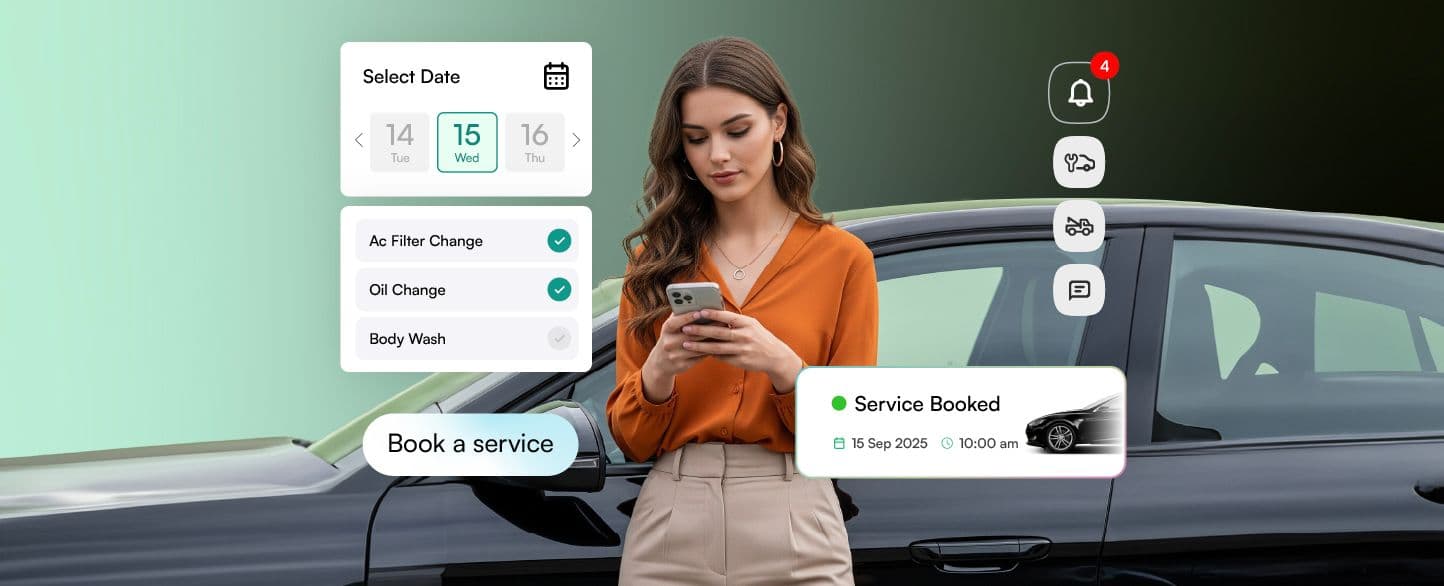
Service operations have become one of the most critical and complex parts of modern automotive retail. Rising vehicle parc sizes, higher customer expectations, and tighter workshop capacity are putting pressure on dealerships to deliver faster, more predictable service experiences. Traditional appointment booking methods, such as phone calls, walk-ins, spreadsheets, or disconnected tools, struggle to keep up with this demand.
This is where Automotive Service Scheduling Software plays a central role. By bringing structure, visibility, and automation into service operations, dealerships are replacing reactive scheduling with controlled, data-driven workflows that scale with volume.
What Is Automotive Service Scheduling Software?
Automotive service scheduling software is a specialized system designed to manage service appointments, technician availability, and workshop capacity from a single, centralized platform. Instead of manually coordinating bookings across advisors, bays, and technicians, dealerships use scheduling software to plan and control service workflows in real time.
Often referred to as automotive service appointment scheduling software or a dealership service scheduling system, these solutions help dealerships move beyond basic calendars. They align customer bookings with actual workshop capacity and integrate service scheduling into broader dealership operations.
Why Dealerships Are Rapidly Adopting Automotive Service Scheduling Software
Dealerships are adopting scheduling software for automotive service operations because the cost of inefficiency has become too high.
Common drivers include:
- Growing service volumes without a proportional increase in technicians or bays
- Missed appointments, overbooking, or idle workshop capacity
- Limited visibility for service advisors and managers
- Customer frustration due to long wait times and unclear timelines
Manual systems were never designed to handle modern service complexity. Automotive service scheduling software addresses these gaps by providing structure, transparency, and coordination across service teams.
Core Capabilities of Automotive Service Scheduling Software
Automotive service scheduling software forms the foundation of efficient service operations by bringing structure, visibility, and coordination to how service appointments are planned and executed across the dealership.
Centralized Service Appointment Scheduling
At its core, automotive service scheduling software provides a unified view of all service appointments. Advisors can see bookings across dates, bays, and service types, reducing conflicts and scheduling errors. Customers benefit from clearer availability and faster confirmations.
Technician and Workshop Capacity Planning
Effective scheduling software goes beyond booking slots. It accounts for technician skills, working hours, and bay availability. This allows dealerships to balance workloads, avoid bottlenecks, and improve overall workshop utilization.
Real-Time Service Visibility
With real-time dashboards, service teams can track appointment status from check-in to job completion. Managers gain visibility into workload distribution and delays, enabling proactive intervention rather than reactive firefighting.
Integration with Service Operations
Modern automotive service management software integrates scheduling with job cards, parts availability, and service history. This ensures appointments are realistic and supported by the right resources, reducing rework and delays.
Business Benefits of Automotive Service Scheduling Software
Beyond daily scheduling efficiency, automotive service scheduling software delivers measurable operational and customer-facing benefits that support sustainable growth in dealership service operations.
Better Workshop Utilization
By aligning appointments with real capacity, dealerships reduce idle time and improve throughput. This directly impacts service revenue and operational efficiency.
Faster Turnaround Times
Clear scheduling and better coordination shorten service cycles. Vehicles spend less time waiting, improving bay turnover and customer satisfaction.
Improved Customer Experience
Customers benefit from predictable booking slots, timely updates, and reduced waiting. A structured scheduling system builds trust and repeat business.
Reduced Operational Friction
Service advisors, technicians, and managers work from a shared source of truth. This reduces internal miscommunication and manual coordination.
Scalable Service Operations
As service volumes grow, scheduling software for automotive operations allows dealerships to scale without chaos. Multi-location and high-volume service centers especially benefit from centralized control.
Who Should Use Automotive Service Scheduling Software?
Automotive service scheduling software is relevant for a wide range of service-driven operations, including:
- Single-location dealerships looking to professionalize service workflows and reduce manual coordination
- Multi-location dealer groups managing shared capacity, technician availability, and standardized service processes
- OEM-authorized service centers with structured service standards and compliance requirements
- High-volume workshops handling routine maintenance, repairs, and seasonal service peaks
Beyond these segments, automotive service scheduling software is valuable for any dealership aiming to improve service predictability, reduce appointment backlogs, and maintain consistent service quality as volumes grow. By introducing structured scheduling and visibility, dealerships can better align customer demand with workshop capacity while improving operational control.
Automotive Service Scheduling Software vs Manual Appointment Booking
Manual appointment booking relies heavily on human coordination. While workable at low volumes, it introduces several limitations:
- No real-time view of capacity
- Higher risk of overbooking or underutilization
- Limited reporting and performance insights
- Difficulty scaling across locations
Manual processes also depend on individual experience and memory, making service operations vulnerable to staff changes, peak-hour pressure, and inconsistent booking decisions. Adjustments to schedules often require multiple follow-ups, increasing the chance of errors and customer dissatisfaction.
In contrast, automotive service scheduling software enforces structured booking rules, aligns appointments with available resources, and maintains a consistent scheduling approach across teams and locations. Service data is captured systematically, enabling dealerships to analyze demand patterns, optimize service planning, and make informed operational improvements over time. This shift from manual to system-driven scheduling supports greater reliability, accountability, and long-term service scalability.
How Automotive Service Scheduling Software Fits Into a Modern Dealership Platform
Service scheduling does not operate in isolation. In modern dealerships, it connects closely with sales history, parts availability, and performance reporting. When scheduling is part of a broader platform, dealerships gain end-to-end visibility across customer touchpoints.
This integrated approach allows service operations to align with inventory planning, customer communication, and management oversight. As a result, scheduling becomes a strategic function rather than an administrative task.
Embedded scheduling enables managers to monitor service capacity, appointment demand, and completion rates within the same system used for aftersales reporting. Service teams work from consistent data, reducing manual coordination and improving operational control across departments.
Where Oorjit Fits
For dealerships seeking connected service operations, platforms like Oorjit support service scheduling as part of a unified dealership ecosystem. Rather than operating as a standalone scheduling tool, Oorjit aligns service appointments with service advisors, workshop capacity, and aftersales workflows. This integrated approach helps dealerships maintain consistency across operations, improve coordination between teams, and scale service volumes without introducing operational friction.
Key Takeaways
- Automotive service scheduling software centralizes appointments, technician availability, and workshop planning into a single operational view.
- Dealerships adopt scheduling software for automotive operations to manage growing service complexity with greater efficiency and control.
- A structured dealership service scheduling system reduces delays, improves internal coordination, and enhances customer experience.
- The best automotive service scheduling software functions as part of an integrated dealership platform, supporting long-term operational scalability.
- Centralized scheduling improves visibility for service advisors, managers, and technicians, reducing manual follow-ups and miscommunication.
- Real-time scheduling data helps dealerships respond faster to changes in capacity, demand, and service priorities.
- Integrated service scheduling supports better resource utilization, leading to higher workshop productivity and improved service revenue performance.
- As customer expectations evolve, digital service scheduling becomes a critical component of modern dealership service operations.
Conclusion
Service scheduling is no longer just about booking appointments. It directly impacts workshop productivity, customer satisfaction, and dealership profitability. As service demand continues to grow, dealerships that rely on manual processes face increasing operational risk.
Automotive service scheduling software provides the structure and visibility needed to manage service operations with confidence. When implemented as part of an integrated dealership platform, it becomes a foundation for scalable, efficient after-sales operations.
Looking to improve workshop efficiency and service predictability? Explore Oorjit supports smarter service scheduling and scalable after-sales operations.
FAQs
Q: Is automotive service management software different from a DMS?
A: Yes. Automotive service management software focuses on after-sales and workshop operations, while a DMS covers broader dealership functions like sales, inventory, and finance.
Q: Can automotive service scheduling software reduce service wait times?
A: Yes. By matching appointments with real workshop capacity, automotive service scheduling software helps prevent overbooking and reduces service delays.
Q: Can dealership service scheduling systems handle technician availability?
A: Yes. Modern dealership service scheduling systems factor in technician availability, skills, and working hours for accurate job planning.
Q: What is the best automotive service scheduling software for dealerships?
A: The best automotive service scheduling software integrates smoothly with dealership operations and scales with service volume, such as Oorjit.
Q: Is standalone automotive service scheduling software better than integrated systems?
A: Standalone tools handle basic scheduling, but integrated systems offer better visibility and coordination across dealership operations.
Q: Can automotive service scheduling software integrate with dealership systems?
A: Yes. Most modern automotive service scheduling software integrates with DMS, CRM, and other dealership systems.
Q: Does a dealership service scheduling system work with parts and service operations?
A: Yes. Integrated dealership service scheduling systems align appointments with parts availability and service workflows.