Managing a dealership network in the UAE takes more than strong sales performance. It takes real-time visibility across inventory, orders, and retail activity at every location, and many dealer groups still operate without that. Sales data sits in one platform, inventory updates lag in another, and vehicle order status gets tracked manually somewhere else entirely.
These gaps make it difficult for leadership to assess performance, forecast demand, or respond quickly when the market shifts. A unified dealership platform changes that by aligning sales activity, inventory movement, and order execution within one shared operational framework. For UAE dealerships scaling across brands and locations, that level of visibility is what keeps growth from turning into chaos.
What Does High-Volume Automotive Retail Look Like in the UAE?
UAE dealerships operate differently from many global markets. Large dealer groups run multiple brands across dozens of locations, often sharing inventory pools between showrooms in Dubai, Abu Dhabi, and Sharjah. Sales velocity is high, model mixes shift quickly in response to demand, and customer expectations are shaped by premium retail standards that leave little room for delays or mismatched stock.
A platform built for this environment has to handle multi-location networks under centralised oversight, frequent inventory movement between showrooms and stockyards, OEM alignment for ordering and allocation, and tight coordination between what sales teams are promising and what vehicles are actually available.
In this kind of environment, manual handoffs and disconnected tools break down fast. A delay in updating inventory after a Dubai showroom sale can trigger a duplicate booking in Sharjah for the same vehicle. Order status tracked in a spreadsheet outside the core system leaves managers reacting to problems instead of catching them early. Scale doesn't fix these weaknesses; it exposes them, and without a connected system, growing volume amplifies risk rather than revenue.
What Does Dealership Software Actually Mean in a Modern UAE Context?
Older definitions describe dealership software as a digital replacement for paper-based processes, tracking sales on a screen instead of in a ledger. That definition falls short of what UAE dealer groups actually need today.
Modern dealership software functions closer to enterprise infrastructure. It coordinates sales workflows, inventory control, and vehicle order management within a single operational framework rather than as separate modules that each need their own login and their own manual reconciliation. At this level, the software supports sales execution across every location, centralised inventory visibility and allocation, structured order lifecycles tied directly to real demand, and management reporting built on live data rather than last week's export.
That shift moves the software from an administrative convenience into something closer to strategic infrastructure for the dealership group.
Why Do Siloed Systems Fail in High-Volume GCC Dealerships?
Disconnected systems rarely fail all at once. They fail quietly, one small gap at a time, until scale exposes exactly where the cracks are.
When sales teams work in isolation from inventory, leads and bookings get confirmed without checking real-time stock, and as volume rises, that increases the risk of promising a vehicle that's already allocated elsewhere. When inventory visibility is fragmented across branches, a car can look available in one system's view while it's already reserved or in transit somewhere else, leading to double-selling, last-minute reallocation, or a delivery that slips by days. When vehicle orders move between the dealership and the OEM through spreadsheets, emails, or a separate portal, status updates lag, and nobody has a single accurate view of where an order actually stands. And when management reports depend on manually pulling data from three or four separate systems, those reports describe last month, not this week, which weakens forecasting and slows every decision built on top of them.
A connected platform removes these gaps by design rather than papering over them with extra headcount or extra spreadsheets. In a market moving as fast as UAE automotive retail, disconnected tools simply don't scale.
How Do Sales, Inventory, and Orders Work as One Connected Workflow?
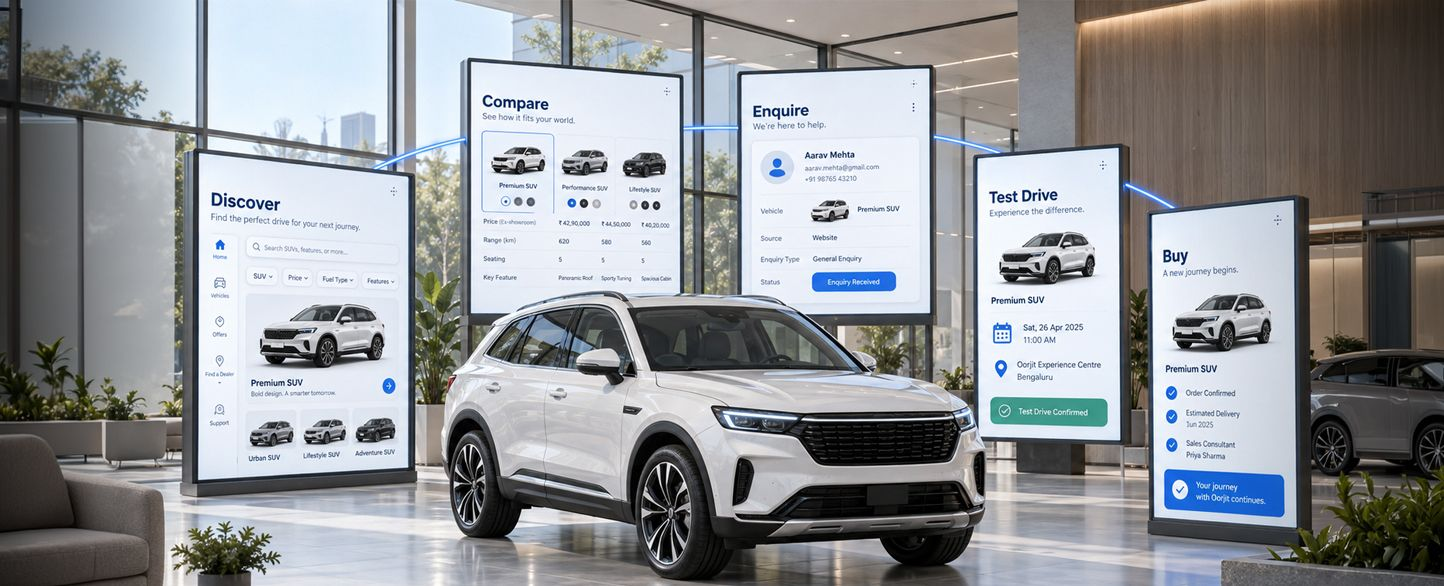
A unified system means sales activity, stock availability, and vehicle orders operate inside the same platform, so a change in one shows up instantly in the others.
On the sales side, this means a lead can move toward a booking with visibility into real stock across every location sharing that inventory pool, not just the branch where the customer walked in. Sales teams see the same numbers inventory teams see, and managers get accurate pipeline visibility across the whole network rather than a rough estimate assembled at month-end.
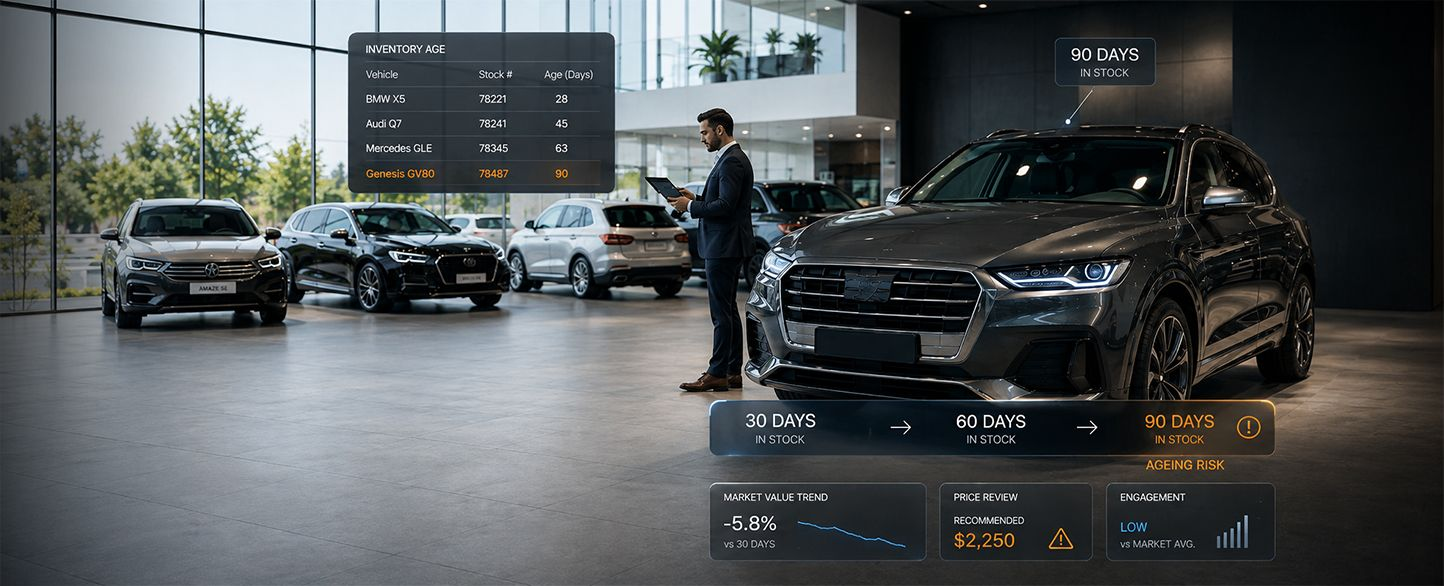
On inventory, centralised tracking replaces the fragmented view that causes most double-selling. Every location sees the same real-time picture of what's available, what's reserved, and what's already committed, which speeds up allocation decisions and turns inventory from a constraint into something the dealership can actually plan around.
On orders, connecting the order workflow to both sales demand and inventory supply gives full visibility from the moment a vehicle is booked to the moment it's delivered. Confirmed sales align directly with what gets submitted to the OEM, and both the sales team and the customer can see accurate status at any point, rather than checking in and getting an outdated answer. Order execution becomes something the dealership can predict, not something it reacts to.
How Do Unified Systems Reduce Management Friction as Dealerships Scale?
As a dealer network grows, more locations and more brands usually mean more coordination effort, more meetings, and more manual cross-checking to keep everyone aligned. A connected platform reduces that friction by building coordination into the system itself rather than relying on people to manually reconcile what different teams are seeing.
That looks like standardised operations that don't need constant oversight to stay consistent, cross-location alignment that doesn't depend on someone manually comparing spreadsheets, and decisions supported by dashboards reflecting what's actually happening right now rather than what happened last week. Built this way, the platform lets leadership spend time on strategy instead of chasing down why two systems show different numbers for the same vehicle.
Who Gets the Most Value from a Unified Dealership Platform in the UAE?
Unified systems deliver the most value where scale, coordination, and consistency matter most, and UAE dealership operations increasingly span multiple brands, locations, and OEM relationships at once.
Multi-brand dealer groups sharing inventory across locations benefit because a unified platform lets stock be viewed, allocated, and transferred across brands without manual reconciliation, cutting down on both stock conflicts and vehicles sitting unsold in the wrong location. High-volume dealerships with fast turnover benefit because real-time alignment between what sales is promising and what's actually available becomes the difference between closing a deal and losing it to a delay. Dealer networks spread across multiple emirates benefit from centralised oversight that keeps processes and reporting consistent while still letting local teams run their own showroom day to day. And OEM-authorised dealerships benefit because staying aligned with an OEM's ordering structure, allocation rules, and reporting requirements is far easier with one connected system than with allocation data trapped in a portal separate from everything else.
Why Is Enterprise-Grade Software Replacing Older Dealer Systems?
Older dealer systems were built for single-location operations with limited need to talk to anything else. The UAE market today asks for more than that.
Enterprise-grade dealership software offers a modular structure that adapts as the business grows, integration with OEM systems and other internal tools rather than isolated data silos, and the ability to scale without operations fragmenting into separate, disconnected processes at each new location. This reflects a broader shift where dealership technology has moved from a back-office convenience to core infrastructure the business actually runs on.
How Does Unified Software Support Long-Term Dealership Growth?
Growth adds complexity fast, particularly across multi-brand, multi-location UAE operations, and manual coordination stops keeping up well before the growth does. A connected platform absorbs that complexity into everyday workflows instead of relying on workarounds that get harder to maintain with every new location.
New showrooms and franchises can come onto the same operational framework without redesigning processes from scratch or standing up duplicate systems. Additional OEM partnerships are easier to fold in, since the platform can adapt to different order flows and reporting structures without fragmenting how the rest of the business runs. Sales, inventory, and order data stay in sync across both online and in-showroom touchpoints, which matters more every year as digital retail channels grow alongside physical showrooms. Standardised workflows keep service quality consistent across locations rather than varying by which manager happens to run that branch. And with data centralised rather than scattered, leadership can actually forecast demand and plan inventory instead of estimating based on whichever report arrived most recently.
Conclusion
The UAE automotive market rewards speed, accuracy, and control, and fragmented operations undermine all three at once. A dealer group running separate systems for sales, inventory, and orders isn't just carrying inefficiency; it's carrying risk that grows heavier with every new location and every new brand added to the network.
Unified dealership software replaces that patchwork with one connected system built for scale. Sales execution, inventory visibility, and order management operate from the same live data, so leadership gets a real, current picture of the business instead of a set of reports stitched together after the fact. That clarity is what allows a dealer group to keep growing without every new showroom adding another layer of manual coordination.
For dealer groups operating at UAE volume, across multiple emirates, multiple brands, and multiple OEM relationships, moving toward a connected platform isn't a nice-to-have. It's the operational foundation that makes sustainable growth possible.
FAQs
Q: Is Oorjit's dealership software built for high-volume UAE dealerships?
A: Yes. Oorjit is designed to support high transaction volumes, multi-location operations, and fast-moving inventory, staying stable and responsive even as sales velocity and operational complexity increase across a growing dealer network.
Q: What actually goes wrong when dealership systems aren't integrated?
A: Data inconsistencies show up between sales, inventory, and orders, which typically leads to stock mismatches, delayed deliveries, duplicated work, and limited visibility for management, all of which compound as volume grows.
Q: Can Oorjit reduce the operational errors that come with high-volume dealership work?
A: Yes. By removing manual handoffs, duplicate data entry, and disconnected workflows, Oorjit cuts down on the errors that typically creep in during high-volume periods when teams are moving fast across multiple systems.
Q: Is Oorjit suited to OEM-aligned dealerships with strict reporting requirements?
A: Yes. Oorjit supports structured order workflows, allocation visibility, and reporting aligned with what OEM coordination actually requires, rather than forcing dealerships to manage that alignment through a separate portal.
Q: Does Oorjit work for large dealer groups managing multiple brands?
A: Yes. Oorjit is particularly effective for large dealer groups running multiple brands with shared inventory and centralised oversight, keeping operations consistent group-wide while still letting each branch execute locally.
Q: How does Oorjit connect sales, inventory, and orders into one workflow?
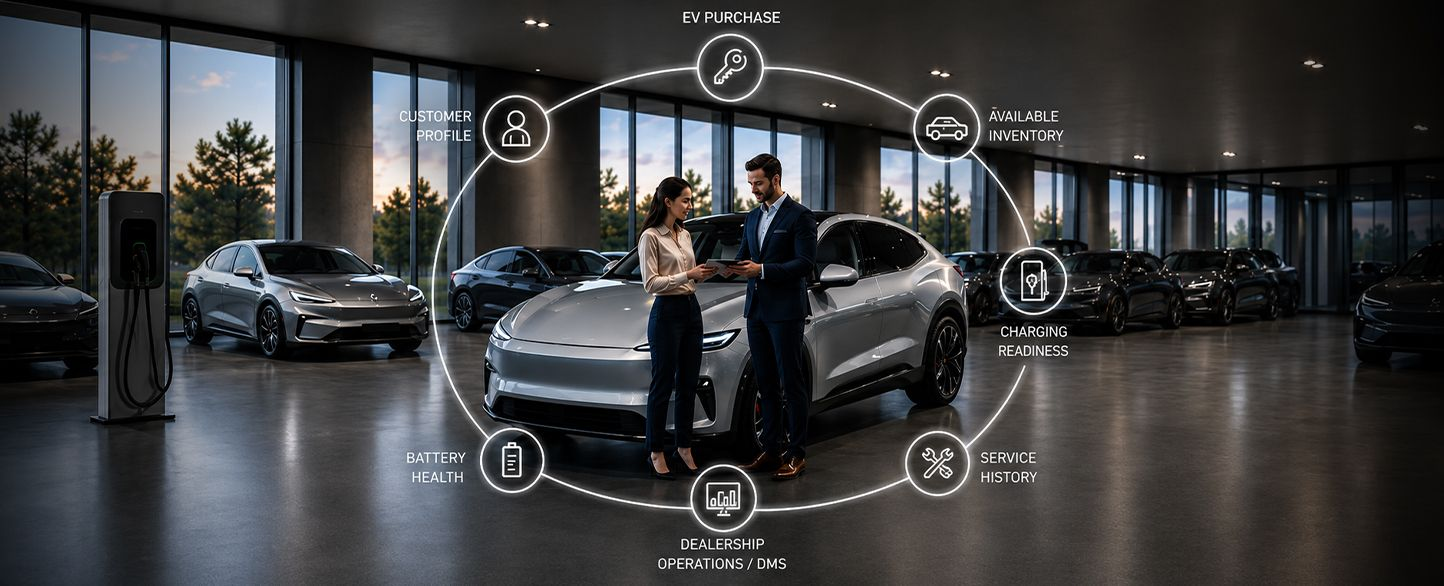
A: It operates as a single system of record, so a sales commitment is directly linked to inventory availability and the order pipeline, and an update in one area shows up immediately across the others.
Q: Can Oorjit replace the spreadsheets and standalone CRMs a dealership is currently using?
A: In most cases, yes. Oorjit consolidates sales tracking, inventory management, and order coordination into one structured system, reducing reliance on spreadsheets and isolated tools that struggle to scale with the business.
Q: How should a dealership decide if Oorjit is the right fit?
A: The right platform should scale with the business, integrate well with existing OEM systems and tools, and match how the dealership network is actually structured. Flexibility and real visibility matter more here than a long feature list.
Q: Does Oorjit help reduce missed sales caused by stock mismatches?
A: Yes. Real-time inventory visibility and centralised allocation significantly cut the risk of a sale slipping away because the stock information a team was working from turned out to be wrong.