The automotive industry is undergoing a rapid digital transformation, and the aftersales segment is no exception. Today’s customers expect convenience, speed, and transparency at every stage of their interaction with a dealership or service center. From booking a service appointment to receiving timely updates and follow-ups, the entire experience must be seamless.
This is where after-sales automation becomes critical. By leveraging digital aftersales solutions, automotive businesses can streamline operations, enhance customer satisfaction, and unlock new revenue opportunities. A well-structured after-sales customer journey is no longer optional. It is a strategic necessity.
In this article, we explore how automation transforms the end-to-end aftersales process, from online service booking systems to intelligent follow-up communication, and how platforms like Oorjit help businesses stay ahead.
What Is After-sales Automation in the Automotive Industry?
After-sales automation is the use of technology to streamline and optimize post-sale services, including vehicle servicing, maintenance scheduling, customer communication, and feedback management.
In modern automotive aftersales management, automation replaces manual processes with intelligent workflows. This includes:
- Automated service appointment booking
- Workflow-based service execution
- Real-time communication with customers
- CRM-driven engagement and retention
By integrating these capabilities, businesses can ensure consistency, reduce errors, and deliver a superior customer experience.
What Are the Key Stages of the Automotive Aftersales Journey?
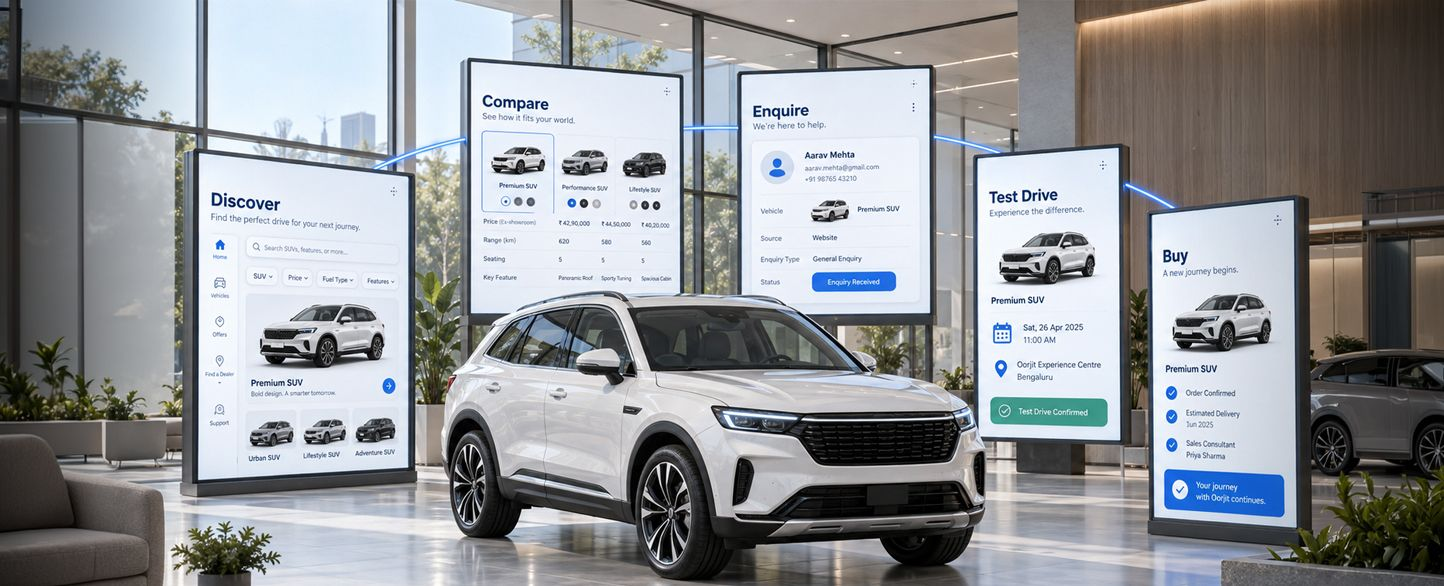
A well-defined after-sales customer journey consists of several interconnected stages:
1. Service Discovery
Customers identify service needs through reminders, alerts, or vehicle issues.
2. Booking
Using an online service booking system, customers select services, choose time slots, and confirm appointments.
3. Service Execution
Workshops perform diagnostics, repairs, or maintenance using structured workflows.
4. Communication
Customers receive updates on service status, delays, or completion.
5. Follow-Up
Post-service engagement includes feedback collection, reminders, and promotional offers.
An optimized end-to-end aftersales process ensures that each stage is connected, creating a seamless experience for both customers and businesses.
How Does an Online Service Booking System Work for Car Servicing?
An online service booking system is the foundation of modern aftersales automation. It allows customers to book appointments conveniently without relying on phone calls or manual coordination.
Key functionalities include:
- Real-time availability of service slots
- Integration with vehicle service scheduling software
- Automated confirmations and reminders
- Customer self-service interfaces
With automated service appointment booking, customers can choose services, select preferred timings, and receive instant confirmation. This reduces administrative workload while improving customer convenience.
How Does Automation Improve Workshop Efficiency?
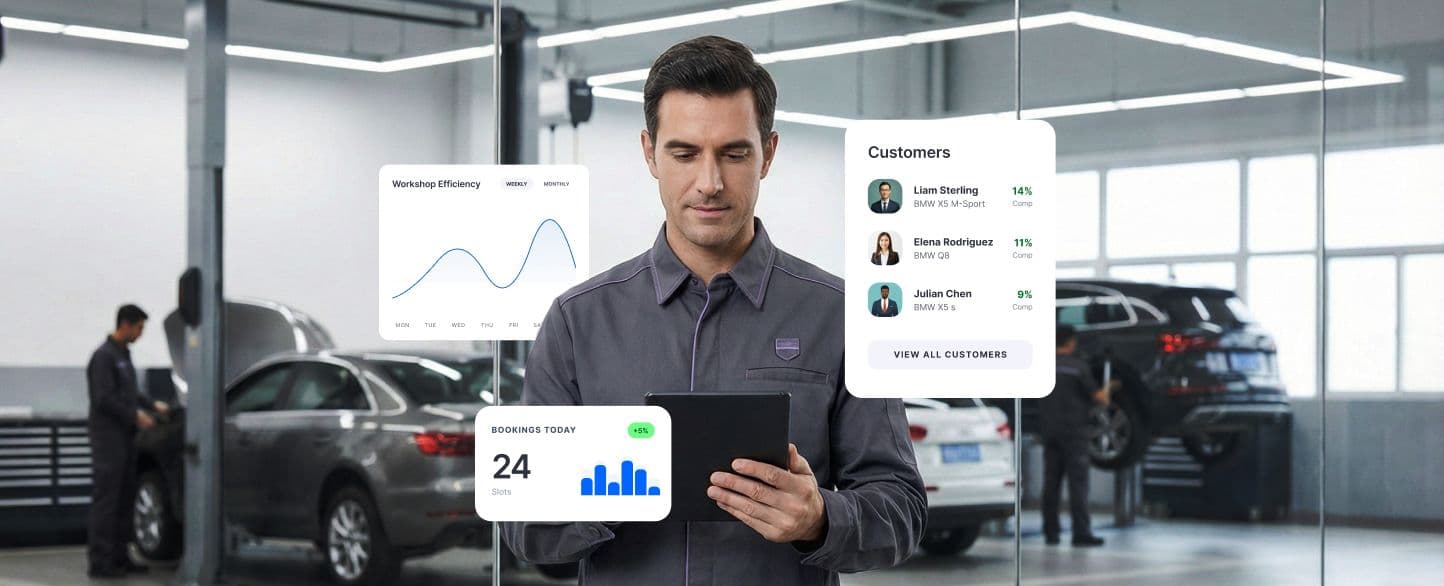
Automation significantly enhances workshop operations by streamlining tasks and reducing manual intervention.
Key benefits include:
Workflow Optimization
Automated systems assign jobs, track progress, and manage service queues efficiently.
Technician Scheduling
Workshops can allocate resources based on availability and expertise.
Repair Order Management
Digital systems ensure accurate tracking of service requests and job completion.
Reduced Errors
Automation minimizes human errors in scheduling, billing, and communication.
Overall, automation enables faster turnaround times and improved operational efficiency.
What Is Automated Follow-Up Communication in After-sales?
Follow-up communication plays a critical role in maintaining customer relationships. Automation ensures that this communication is timely, consistent, and personalized.
Examples include:
- Service reminders for upcoming maintenance
- Notifications on service completion
- Feedback requests and satisfaction surveys
- Promotional offers based on service history
Automated follow-ups help businesses stay connected with customers, increasing trust and engagement.
How Does CRM Integration Enhance the After-sales Process?
CRM integration is essential for delivering personalized and data-driven after-sales experiences.
By centralizing customer data, businesses can:
- Track service history and preferences
- Deliver targeted communication
- Identify upselling opportunities
- Improve customer retention strategies
In automotive aftersales management, CRM systems act as the backbone of customer engagement, ensuring that every interaction is meaningful and relevant.
How Does After-Sales Automation Increase Revenue for Dealerships?
After-sales automation directly impacts revenue generation in several ways:
Increased Retention
Consistent engagement encourages repeat visits and long-term loyalty.
Upselling Opportunities
Automated systems recommend additional services based on vehicle condition and history.
Improved Efficiency
Reduced operational costs lead to higher profitability.
Better Conversion Rates
Simplified booking and communication processes increase service conversions.
By optimizing the after-sales customer journey, dealerships can unlock significant revenue potential.
What Is an Omnichannel After-sales Experience in Automotive?
An omnichannel approach ensures that customers receive a consistent experience across all touchpoints.
This includes:
- Web platforms for service booking
- Mobile apps for updates and reminders
- In-store interactions at service centers
A connected digital ecosystem ensures that customers can interact with the business seamlessly, regardless of the channel they choose.
How Can an Integrated Automotive Platform Streamline Aftersales?
Managing after-sales operations across multiple systems can be complex and inefficient. An integrated platform simplifies this by bringing all functionalities into a single ecosystem.
Oorjit enables businesses to:
- Automate the end-to-end after-sales process
- Integrate booking, CRM, and inventory systems
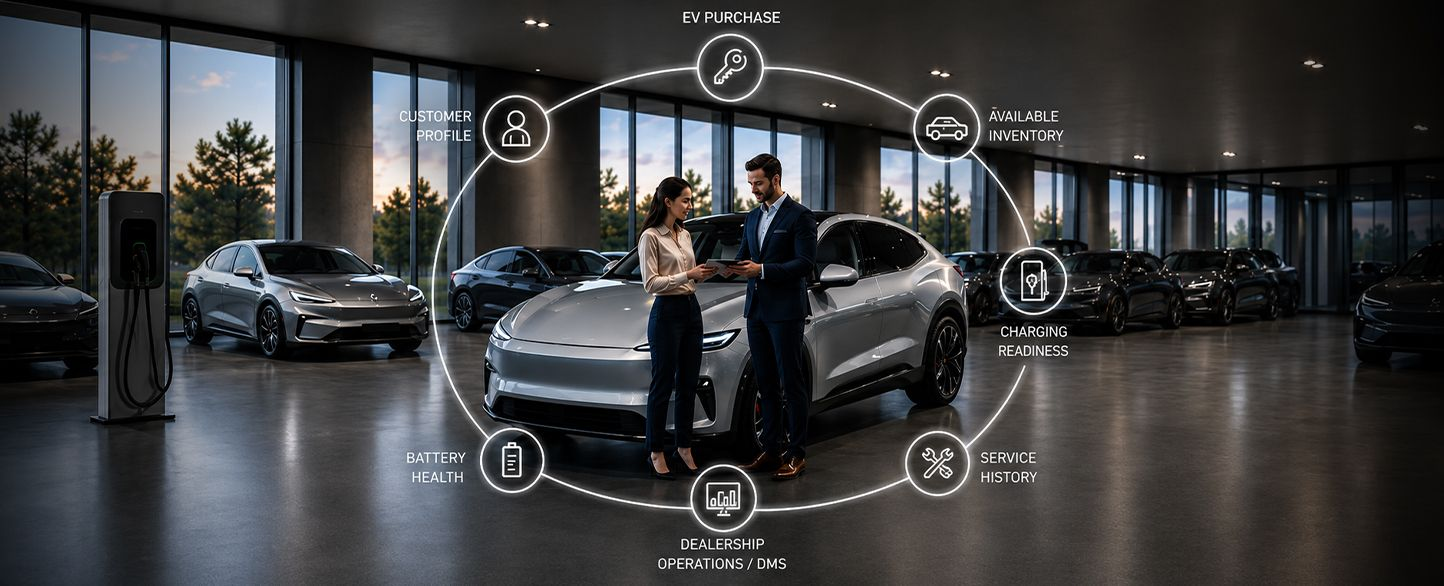
- Centralize customer data and workflows
- Deliver scalable digital aftersales solutions
By unifying operations, Oorjit empowers automotive businesses to enhance efficiency, improve customer experience, and drive growth.
Key Benefits of Automating the Aftersales Journey
Implementing after-sales automation offers several advantages:
- Faster and more efficient service operations
- Improved customer satisfaction and engagement
- Increased revenue through retention and upselling
- Better visibility and control over operations
- Scalable and future-ready business processes
Conclusion
The future of automotive aftersales lies in automation, integration, and data-driven decision-making. Businesses that embrace after-sales automation can deliver seamless experiences, improve operational efficiency, and drive sustainable growth.
From online service booking systems to intelligent follow-up communication, every stage of the after-sales customer journey can be optimized through technology.
Platforms like Oorjit provide the foundation for this transformation, enabling businesses to implement digital aftersales solutions that are scalable, efficient, and customer-centric.
FAQs
Q: How can customers book vehicle service appointments online?
A: Customers can use an online service booking system to select services, choose available time slots, and confirm appointments instantly.
Q: What features should a car service booking platform include?
A: It should include real-time scheduling, automated confirmations, service history tracking, and integration with workshop systems.
Q: What is service workflow automation in automotive dealerships?
A: It involves automating job allocation, repair tracking, and technician scheduling to improve efficiency.
Q: How do automated service reminders improve customer retention?
A: They ensure timely servicing, reduce missed appointments, and keep customers engaged.
Q: How can dealerships automate customer communication effectively?
A: By using automated notifications, CRM-driven messaging, and personalized updates.
Q: What role does customer data play in after-sales automation?
A: Customer data enables personalized communication, targeted offers, and improved service experiences.
Q: How can automation improve customer retention in automotive businesses?
A: Automation ensures consistent engagement and seamless service experiences, encouraging repeat visits.
Q: What are the benefits of upselling services through automation?
A: It helps identify relevant service needs and recommend additional services, increasing revenue.
Q: Can after-sales automation integrate with parts and inventory systems?
A: Yes, modern solutions integrate with inventory systems to ensure parts availability and efficient operations.
Q: What features should you look for in after-sales software?
A: Look for automation, CRM integration, real-time scheduling, analytics, and end-to-end workflow management.